You know there are deals in central Miami. The challenge is finding the ones with real upside that still pencil after permits, insurance, and today’s financing costs. If you want to turn under‑improved condos, small multifamily, or single‑family homes into strong performers, you need a clear game plan tailored to Miami‑Dade. In this guide, you’ll learn how to spot value‑add opportunities, underwrite with local rules in mind, and avoid the most common deal killers. Let’s dive in.
What value‑add means in central Miami
Target property types worth screening
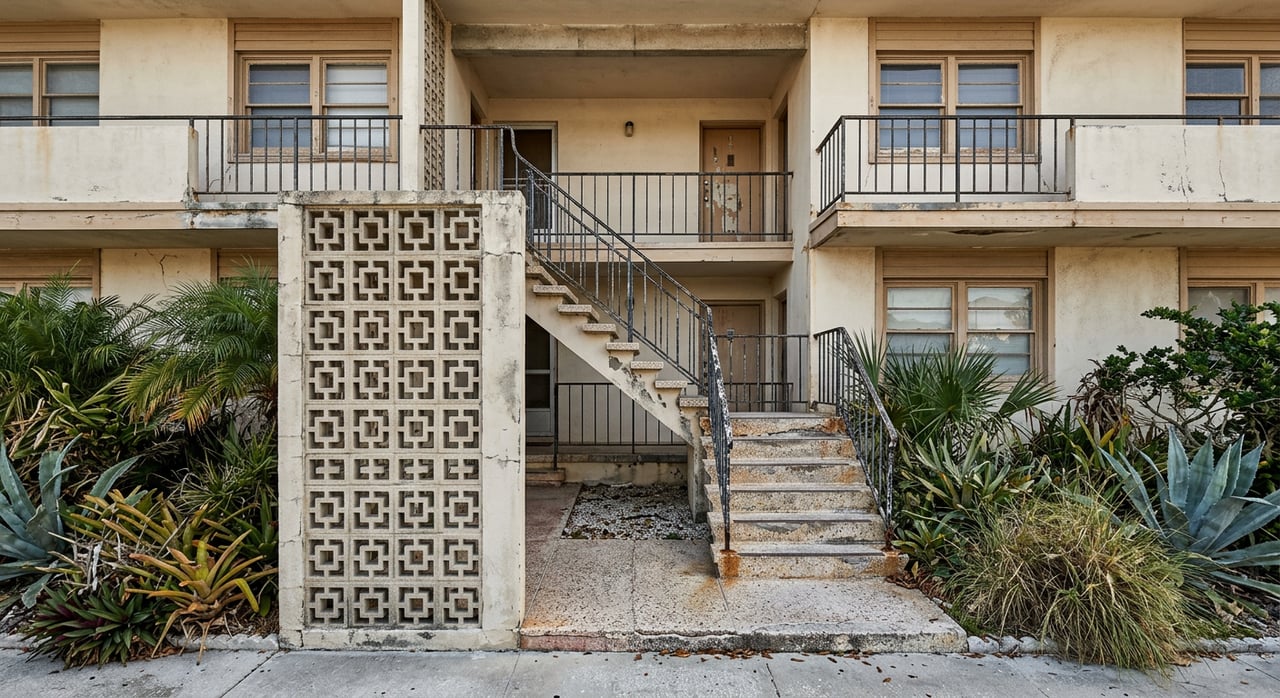
- Older condo units and mid‑rise buildings built before the 1990s or approaching milestone recertification. Pricing can be below market, but association health and structural needs drive your underwriting. Florida’s Building Safety Act (SB 4‑D) set mandatory structural inspections and reserve standards you must factor into costs. Review the statute text to understand timing and triggers for your target building. See SB 4‑D.
- Small multifamily (2–4 units and 5+ units). Upside often comes from moving under‑market rents to market, adding in‑unit laundry, refreshing kitchens/baths, and addressing deferred maintenance. Agency small‑balance programs can finance long‑term holds if the plan is to stabilize. Explore Freddie Mac SBL.
- Under‑improved single‑family homes where cosmetics, systems, or layout updates can lift ARV and rents. In unincorporated Miami‑Dade, adding a permitted accessory dwelling unit (ADU) can add meaningful income if your parcel qualifies. The County’s pre‑approved ADU program can shorten timelines. Review Miami‑Dade’s ADU blueprint.
Common value‑add levers
- Light cosmetic refresh: paint, floors, fixtures for quick rent bumps.
- Unit‑level upgrades: kitchen, bath, appliances, HVAC for stronger premiums.
- Operational fixes: pro management, lease enforcement, utility billing, market re‑pricing.
- Entitlement plays: adding permitted units or ADUs, or changing use where allowed. These carry longer timelines and higher risk, so underwrite conservatively.

Market and rules that move your numbers
Pricing and rent reality
Local performance has diverged by neighborhood through 2024–2025. Some pockets stabilized after strong growth while others still push higher. To underwrite accurately, pull comps at the block level and use current local metrics (MLS and MIAMI REALTORS reports) rather than countywide averages. For rentals, account for new deliveries that may pressure near‑term rent growth in specific submarkets.
Condo milestone inspections and reserves
Florida’s Building Safety Act created statewide milestone inspections at 30 years (or 25 years if the building is within 3 miles of the coast), repeating every 10 years. In Miami‑Dade, enforcement interacts with prior recert practices, and missing deadlines can trigger large special assessments that change deal math overnight. Always request the association’s inspection schedule, reserve study, engineering reports, and any pending special‑assessment estimates before you make an offer. Read the milestone inspection factsheet.

Short‑term rental rules
Short‑term rentals are regulated at the state, county, and city levels. In the City of Miami, lodging is a zoning and Certificate‑of‑Use matter under the Miami 21 code, while Florida’s DBPR requires licensing for vacation rentals that meet certain thresholds. Never assume STR income without confirming eligibility and the exact approvals your parcel needs. Start with the state guide, then verify local zoning and business licensing. Review the DBPR vacation rental guide.

Flood risk, resilience, and insurance
Miami‑Dade maintains flood and sea‑level‑rise tools that inform insurance, mitigation, and long‑term hold risk. Underwrite flood zone, potential storm‑surge exposure, and a stress case for insurance premiums. If you are coastal or in an older mid‑rise, model building‑level policy shifts and possible assessments. Use the County’s resilience and flooding resource.

Fast zoning and entitlement check
You have to know which rule set applies: City of Miami parcels follow Miami 21; unincorporated Miami‑Dade follows County rules. Confirm jurisdiction first, then read allowed uses.
- Step 1: Confirm parcel and jurisdiction. Pull the folio and situs, lot size, and year built. Use the Miami‑Dade Property Appraiser search.
- Step 2: Read the zone. In the City, check the Miami 21 atlas for transect (T3–T6), uses, density/FAR, and parking. Open Miami 21.
- Step 3: Check overlays. Historic, coastal high‑hazard, or NRD overlays may add constraints.
- Step 4: Validate ADU eligibility. Lot size, setbacks, and rules against STRs in ADUs vary. See the County ADU program.
- Step 5: If changing use or adding units, schedule a quick planning pre‑application to confirm the path and timeline.

Renovation scope, permits, and costs
Permits you will likely pull
Expect building, mechanical, electrical, plumbing, and roofing permits, plus trade inspections. Any change to unit count or use, like an ADU or lodging conversion, requires zoning approvals and a Certificate of Use. Verify whether previous work was permitted. Unpermitted structural work can delay closing or occupancy and is a red flag in Miami‑Dade.
HVHZ products and inspections
Miami‑Dade is a High‑Velocity Hurricane Zone, which means exterior systems like windows, doors, and roofs must carry the right product approvals. Using non‑approved products can fail inspection and jeopardize insurance. Factor this into capex and schedule. See a sample Miami‑Dade NOA.
Budget ranges that fit most projects
Renovation costs vary by scope, finishes, and HVHZ requirements. As a starting frame:
- Cosmetic/light rehab: roughly $30 to $75 per square foot.
- Moderate rehab (kitchen + bath + some systems): roughly $75 to $150 per square foot.
- Full gut with structural/systems + HVHZ upgrades: roughly $150 to $300+ per square foot.
Include a 10 to 20 percent contingency and a separate line for insurance/mitigation. For condos near milestone deadlines, model a building‑level assessment scenario in addition to unit‑level capex.
.png)
Financing your play and exit choice
Small multifamily: long‑term, fixed‑rate options
If your plan is to renovate and hold, agency small‑balance loans can be compelling for stabilized 5+ unit assets, often allowing rehab dollars within the loan and offering fixed terms. Pre‑qualify early so you know how debt cost and leverage shape your returns. Review Freddie Mac SBL.
Owner‑occupant rehab path
If you plan to live in the property for the required period, FHA 203(k) combines purchase and renovation financing with a lower down payment than many conventional options. Confirm program limits, eligible scopes, and consultant requirements before you write. Read the FHA 203(k) overview.
Flip vs hold in today’s Miami
- Flip: Focus on high‑impact, market‑tested projects and be realistic about permit timelines and labor availability. Transaction costs, insurance headlines, and carrying costs can compress spreads if the schedule slips.
- Hold: Underwrite with conservative expenses, vacancy, and insurance growth. For small multifamily, run both cap rate and cash‑on‑cash models with market‑stabilized rents and a reserve for ongoing building needs.

Where value‑add tends to show up
Look for blocks with older building stock near job nodes or transit, signs of public or private investment, and a clear gap between current rents and renovated comps. In central Miami, you can often find candidates in areas with mixed‑vintage housing near cultural anchors or medical districts. Pockets of Allapattah, Little Havana’s east corridors, parts of Overtown, and Upper Eastside sub‑neighborhoods like Little River, Buena Vista, and Little Haiti may fit this profile. Evaluate street by street and use recent renovated comps to validate ARV and achievable rents.
Deal sourcing that works here
- MLS and local investor brokers with active pipelines in small multifamily and older condos.
- Off‑market outreach to absentee owners and estate sellers; networking with condo boards and management companies for unit turnover in older buildings.
- Distressed channels like bank REO, judicial foreclosure auctions, and tax deed sales. If you pursue auctions, confirm title risks and procedures in advance. Review the Miami‑Dade Clerk resources.

15‑minute pre‑LOI checklist
- Property basics: Pull the folio, year built, lot size, and prior permits. Search the Property Appraiser.
- Zoning fit: Confirm jurisdiction and zoning, allowed uses, parking, and any overlays. Open Miami 21.
- ADU feasibility: If you plan an ADU, check setbacks and program rules. See the County ADU page.
- Condo diligence: For older buildings, request the reserve study, meeting minutes, milestone/engineering reports, insurance policy, and any pending assessment scope. Read the milestone inspection factsheet.
- Permitting history: Verify roofs, windows, electrical, plumbing, and any structural work were permitted.
- Flood/insurance: Check flood zone, wind mitigation credits, and a premium stress case. Use the County resilience page.
- Capex and schedule: Get two to three contractor bids that include HVHZ‑rated windows/doors/roofing where needed. Plan a 10 to 20 percent contingency.
- Financing path: Match your exit to financing. For 5+ units, look at agency SBL; for owner‑occupant rehabs, evaluate 203(k). Freddie Mac SBL and FHA 203(k).

Red flags that kill Miami deals
- Imminent condo milestone with limited transparency or underfunded reserves. This can lead to sudden special assessments that erase returns. See the milestone factsheet.
- Unpermitted structural work or missing Certificates of Occupancy for prior renovations.
- High flood exposure without a feasible mitigation plan and supportive insurance.
- STR assumptions without written proof of zoning, CU, and DBPR licensing eligibility. Start with the DBPR guide.
- HVHZ non‑compliant products planned or installed that could fail inspection or void insurance. Check a sample NOA.

Quick math to size the upside
- Cap rate: Net operating income divided by purchase price. Use stabilized, market rents and fully loaded expenses to compare apples to apples.
- GRM (screening): Purchase price divided by annual gross rent. Use it to triage leads, then deep‑dive with an NOI and cash‑on‑cash model.
- Rehab math: Hard costs (by bid or $/sf) + soft costs (permits, A/E, interest, carries) + 10 to 20 percent contingency. For older condos, add a building‑level assessment scenario if milestones are near.
Next steps
- Pick two or three target blocks and pull every parcel that fits your buy box using the Property Appraiser, then overlay zoning and ADU eligibility. Start here and check Miami 21.
- For any older condo you like, request docs up front: reserve study, minutes, engineering, milestone status, insurance, and any assessment estimates. Milestone overview.
- Scope and price the work with two to three bids that include HVHZ‑rated openings and roofing as needed. Add contingency and a schedule buffer.
- Pre‑qualify financing so you can match the right loan to your exit. Freddie Mac SBL for stabilized 5+ units, FHA 203(k) for owner‑occupant rehabs.
If you want a local partner to source, underwrite, and execute with you, we’re ready to help. From off‑market leads to renovation planning and property management, The Kotelsky Group brings founder‑led investing experience to your Miami deals.

FAQs
What counts as a value‑add deal in central Miami?
- Older condos near milestone timelines, small multifamily with under‑market rents, and single‑family homes that can support cosmetic or systems upgrades or a permitted ADU where allowed.
How do milestone inspections affect condo investing?
- Buildings at 25 to 30 years face mandatory structural inspections and recurring reviews. Pending scopes can lead to special assessments, so always underwrite reserves, engineering findings, and association health.
Can I run short‑term rentals in the City of Miami?
- It depends on your parcel’s zoning and use approvals, plus state DBPR licensing. Confirm eligibility and secure required Certificates of Use before assuming any STR income.
Do I need special products for windows and doors in Miami‑Dade?
- Yes. As an HVHZ, Miami‑Dade typically requires Miami‑Dade NOA or Florida Product Approval for exterior systems. Non‑approved products can fail inspection and impact insurance.
What renovation budget should I plan for a small multifamily?
- As a starting point, plan $75 to $150 per square foot for mid‑range unit upgrades, plus 10 to 20 percent contingency. Adjust for HVHZ openings, roof condition, and mechanical systems.
Which financing works best for a 6‑unit value‑add hold?
- Agency small‑balance loans are common for stabilized 5+ unit properties and can offer fixed‑rate, longer terms. Pre‑qualify early to confirm proceeds, rehab allowances, and covenants.