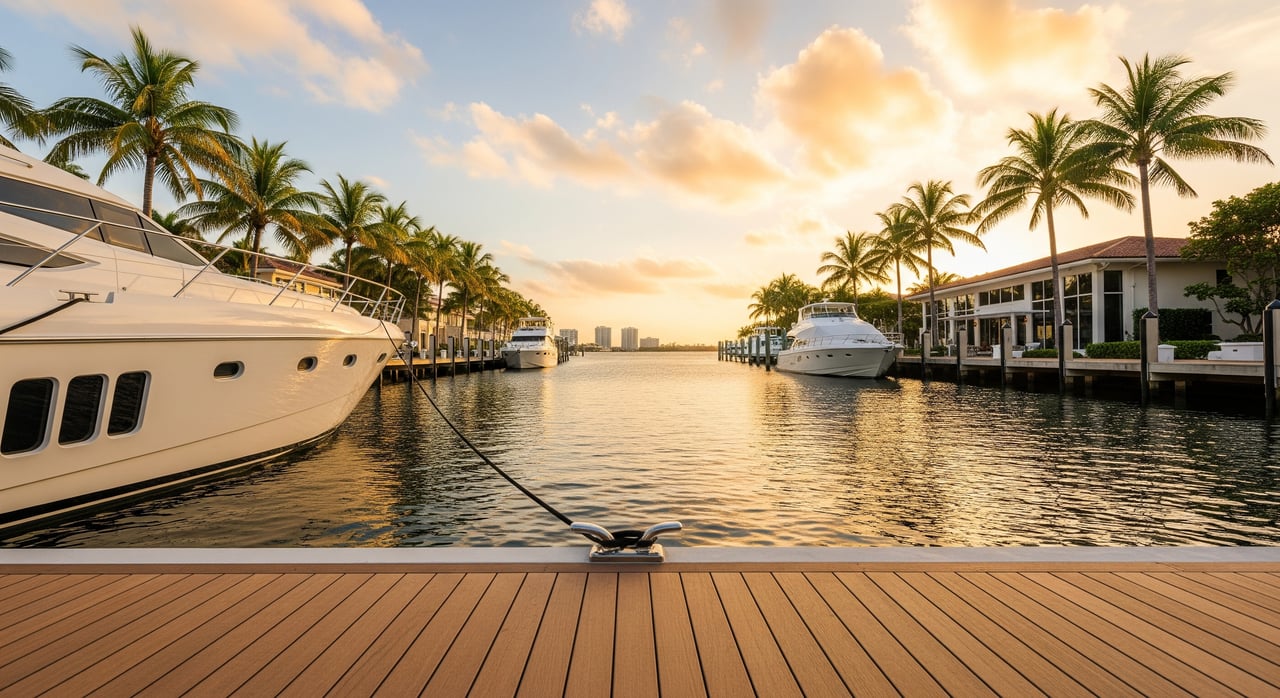
Do you dream about stepping off your patio and onto your boat for a quick cruise along the Intracoastal Waterway? If you are eyeing Hollywood, Florida, you are in a sweet spot for year-round boating with easy access to both calm ICW cruising and the Atlantic. You want clear guidance on marinas, slip sizing, seasonal demand, and what to check before you buy or lease dockage. This guide breaks it down so you can plan with confidence and enjoy more time on the water. Let’s dive in.
Hollywood’s boating map and access
Hollywood sits on the Intracoastal Waterway, giving you protected north–south navigation throughout Broward County. You can reach service-heavy hubs nearby, including the Fort Lauderdale area, without offshore exposure. If you run offshore for fishing or cruising, the Port Everglades inlet is the major nearby ocean access point. Expect commercial traffic around the inlet and plan your timing with tides and local notices to mariners.
Seasonal conditions matter. Hurricane season runs from June 1 through November 30, so marinas use detailed storm plans and may require relocation or haul-out. Late fall through spring brings high transient demand and peak rates, especially around major events like the Fort Lauderdale International Boat Show. Book ahead and confirm what is included in your reservation.

Marina types you’ll find
Hollywood and greater Broward offer a range of marina formats. You can match your boat size, cruising style, and service expectations to the right choice.
Full-service marinas
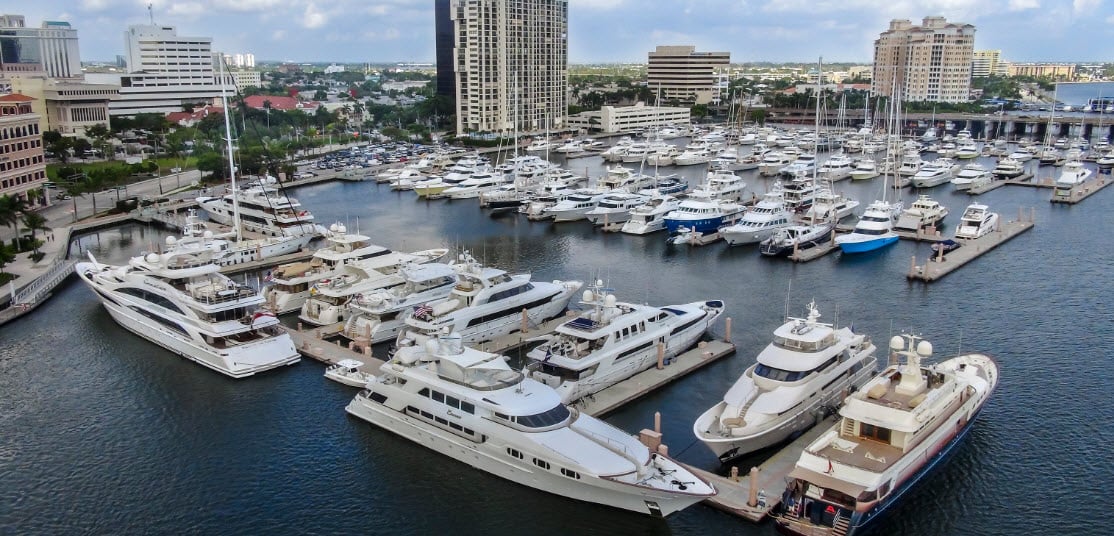
These properties typically offer fuel, pump-outs, shore power, fresh water, Wi‑Fi, showers, laundry, and strong security. Many include on-site repairs, haul-out capabilities, and storage options like dry stack or hardstand. If you want a one-stop service environment and larger slip sizes, this category is a good fit. Expect higher pricing in premium locations near major boating hubs.
Neighborhood and municipal docks
Smaller facilities and city docks can be perfect for day visits or local boat owners with modest service needs. Amenities may be limited compared to full-service marinas, but they can be cost-effective and convenient. Confirm stay limits, power availability, and pump-out access before you book. Policies and rates can vary by site and season.
Yacht clubs and private marinas
Club-affiliated slips often come with social programming and guest policies that favor members and their visitors. Some offer transient dockage for reciprocal clubs or short stays. Expect defined rules for liveaboards, guests, and events. If community and amenities matter to you, these can be compelling options.
Transient guest docks
If you are visiting during peak season, transient-only docks are popular and often booked by the night. Confirm what your nightly rate includes, such as electricity, water, or Wi‑Fi. Arrival protocols vary, so ask about radio channels and after-hours support. During show weeks and holidays, plan early.
Slip sizing, depth, and fit
Slip listings are typically described by length overall, beam, and maximum draft. Always confirm depth at mean low water at both the slip and the approach channel. Ask about any tide-sensitive areas or recent shoaling. If you run a deep-draft vessel or wide beam, verify clearance and fendering space before you commit.
A quick fit checklist:
- Length overall of your boat vs. posted slip length, including bow pulpits and swim platforms.
- Beam vs. slip width, including fendering.
- Draft at mean low water at the slip and along the route you will use.
- Bridge and powerline clearances between your dock and the ICW or inlet.
- Shore power requirements, typically 30A or 50A, and whether the marina can meet them.
Seasons, rates, and reservations
Broward’s high season runs from late fall through spring, which means tighter availability and premium transient rates. The weeks around the Fort Lauderdale International Boat Show are especially busy. If you need a slip during those windows, reserve early and request everything in writing. For longer stays, ask about seasonal contracts, utility billing, and any waitlists.
Rules, safety, and the environment
Boater education and safety gear
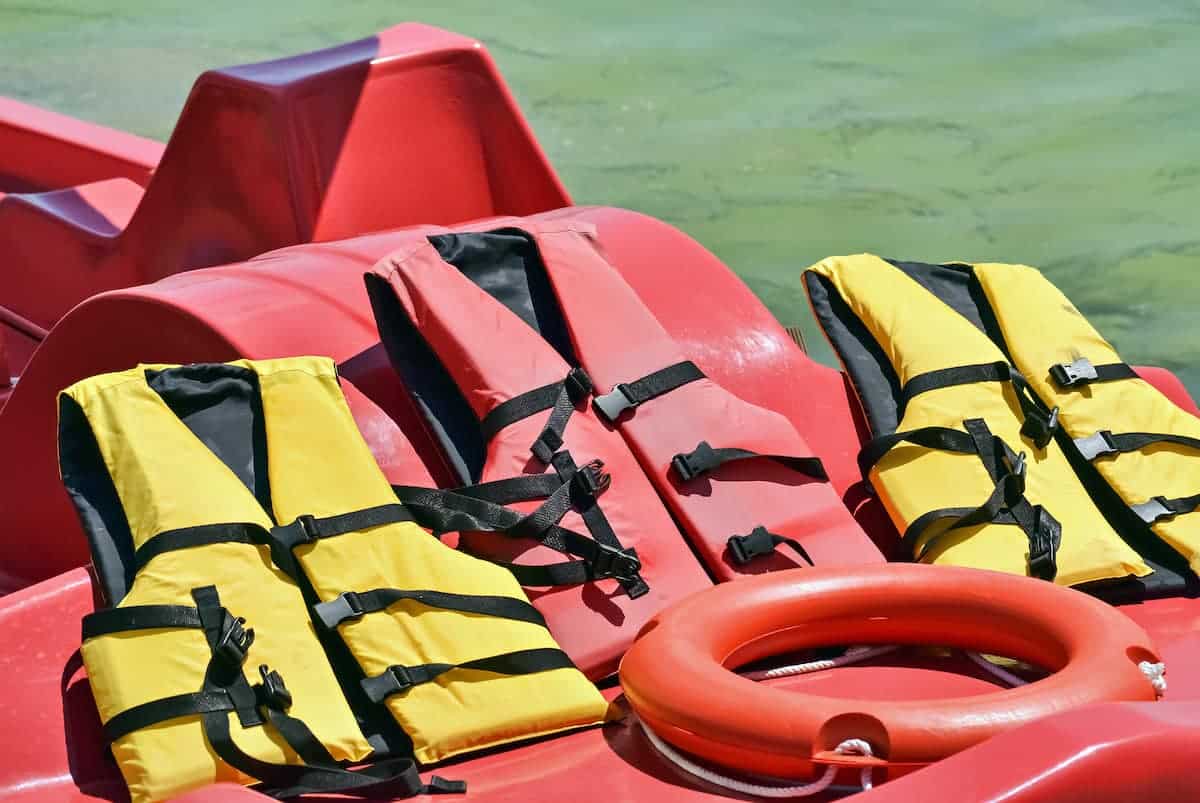
Florida requires certain operators to hold boater safety education depending on age. Your vessel must carry U.S. Coast Guard required equipment based on size and type, including life jackets, visual distress signals, fire extinguishers, and navigation lights. Confirm your gear list before you depart and keep documents handy.
Local speed and wake rules
Expect no-wake and speed-restricted zones along segments of the ICW and inside local waterways. These rules protect shoreline, seagrass, and other boaters. Check current municipal and county ordinances for the City of Hollywood and Broward County to avoid fines. When in doubt, throttle back and keep your wake minimal.
Pump-outs and clean water practices
Florida restricts sewage discharge, and marinas widely support pump-out services. Many facilities participate in clean marina programs and have spill kits on hand. Ask about the location of pump-out stations, hours, and any fees. Follow posted fueling procedures and report any spills immediately.
Budgeting for slips and services
Slip fees vary widely based on slip size, location, and amenity level. Smaller municipal or neighborhood marinas often cost less than full-service facilities near Fort Lauderdale or Port Everglades. Expect add-ons for electricity, water, pump-outs, and any liveaboard fees where allowed. For maintenance and storage, factor in haul-out costs, travel-lift fees typically based on length overall, bottom work, and labor rates.
Smart budgeting tips:
- Get at least three quotes for slip rentals across different marina types.
- Price out utilities and liveaboard charges separately.
- If you anticipate repairs or upgrades, request estimates from multiple contractors.
- Confirm insurance requirements for boats berthed in hurricane-prone areas.

Buying a waterfront home with dockage in Hollywood
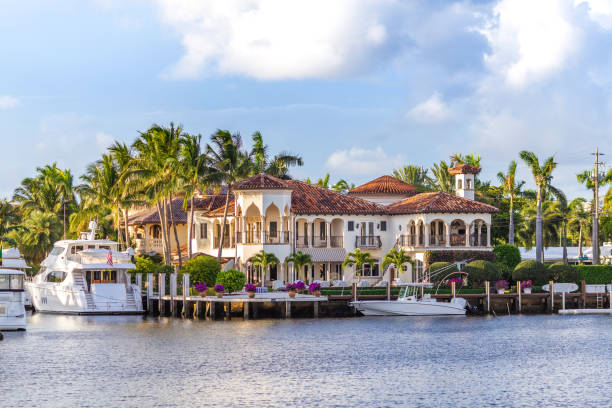
If you are evaluating a waterfront property, a dock can be a major lifestyle and investment advantage. It also adds complexity. Focus on permits, condition, and true navigational access before you fall in love with the view.
Due diligence checklist
- Ownership and rights: Confirm whether the dock is privately owned, part of an HOA, or subject to a lease or revocable permit. Verify recorded title and surveyed boundaries.
- Permits and compliance: Check for required permits from the U.S. Army Corps of Engineers, Florida DEP, and local authorities. Ensure there are no open violations or unpermitted work.
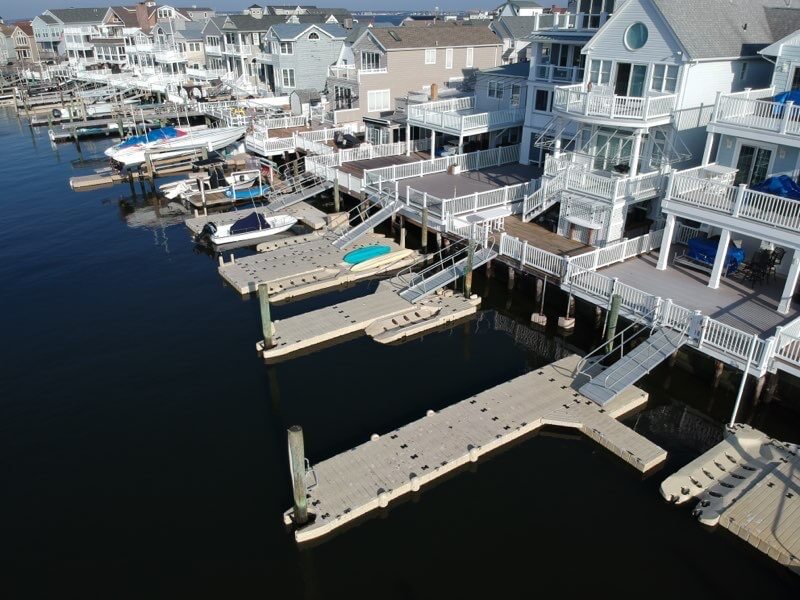
- Dock and seawall condition: Inspect pilings, decking, electrical, cleats, ladders, and any lifts or davits. Look for rot, corrosion, and structural issues.
- Depth and access: Measure depth at mean low water at the dock face and along the route to the ICW or inlet. Note any bridge or line clearances and any history of shoaling or dredging.
- Seawall responsibility: Confirm who maintains and repairs the seawall and whether rip-rap or recent work exists.
- Insurance and flood: Determine flood zone designation and typical premiums for flood and wind coverage. Ask your boat insurer about mooring requirements and hurricane procedures.
- Utilities and services: Verify shore power amperage, water supply, and pump-out access.
- HOA or marina rules: Review slip assignment, guest privileges, rental restrictions, and any policies affecting floating dock replacements.
- Liveaboard and mooring: If you plan to live aboard, confirm rules and utility hook-ups before closing.
- Neighborhood navigation: Note local no-wake zones, bridge openings, and typical tides.
Inspections that matter
Bring in a licensed marine contractor or dock specialist to assess structural integrity and electrical safety. For seawalls, use a bulkhead expert to evaluate tie-backs, cap condition, and signs of movement. If boundaries or rights are unclear, hire a surveyor to confirm property lines and riparian rights. The small cost upfront protects a major investment.1
Selling a waterfront property with a dock
Buyers care about safe access and clear documentation. Prepare a digital package with permits, as-built plans, maintenance records, recent depth info, and any insurance or repair history. Highlight upgrades to pilings, decking, electrical, lifts, and seawall. Disclose known issues and provide contact details for contractors who have serviced the property.

For visiting boaters: smooth arrivals
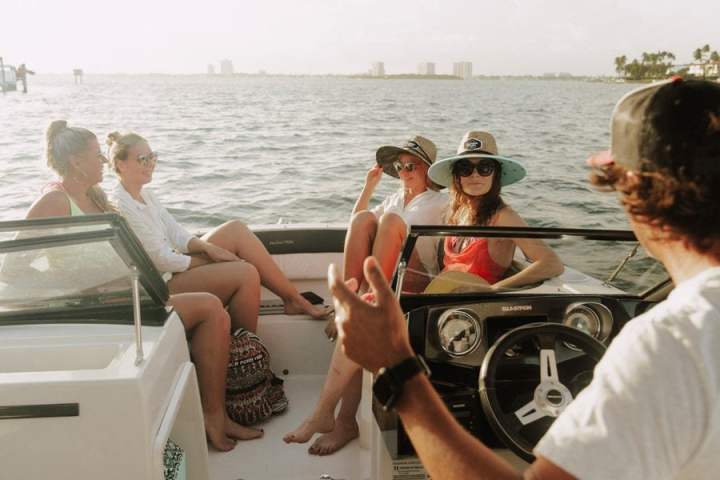
During peak months, secure your slip well ahead of arrival. Confirm check-in procedures, radio channels, and after-hours contacts. Ask whether electricity, water, and Wi‑Fi are included in the transient rate. If you plan to fuel or schedule service, call ahead to lock in times and confirm draft limits at the fuel dock or yard entrance.
Smart questions for marina managers
- What are the exact slip dimensions by length overall, beam, and maximum draft, and what is the largest vessel you can accept?
- What are your current transient and long-term rates, and what utilities or services are included in the price?
- What is your hurricane plan, and are tenants required to move or haul out during warnings?
- Do you allow liveaboards, and what are the related fees and rules?
- Is there a waitlist for long-term slips, and can tenants sublet with approval?
- What security measures do you use, such as gated access, cameras, and night patrols?
- Who handles routine dock maintenance, and how do you handle repairs that affect slip access?
- Do you offer pump-outs and fuel on-site, and what are the hours and procedures?
- What insurance documents or minimums do you require from boat owners?
How we can help
Whether you are a lifestyle buyer looking for a turnkey waterfront home or an investor assessing dock value and rental policies, you deserve both elegant service and tactical guidance. Our team combines luxury residential expertise with hands-on investing and property management insight. We help you evaluate dock rights, permit history, depth and access, and long-term maintenance so you can buy or sell with clarity. If you are ready to align your boating lifestyle with the right property in Hollywood or anywhere in Broward, connect with The Kotelsky Group.

FAQs
What makes Hollywood, FL convenient for boaters?
- You get protected Intracoastal Waterway cruising with quick access to the Atlantic via Port Everglades, plus nearby service hubs throughout Broward.
When is marina demand highest in Broward County?
- Late fall through spring is peak season, with especially tight availability around the Fort Lauderdale International Boat Show.
How do I confirm a slip will fit my boat in Hollywood?
- Match your length overall, beam, and draft to the posted slip specs and verify depth at mean low water at both the slip and the approach channel.
What hurricane policies should I expect from marinas?
- Most have formal storm plans, and some require relocation or haul-out during warnings; ask for written procedures and confirm your insurer’s requirements.
Are pump-outs required in Florida marinas?
- Florida restricts sewage discharge, and pump-out services are widely available and often required by marina policy for compliance.
What should buyers check before purchasing a docked property?
- Verify ownership and permits, inspect dock and seawall condition, confirm depth and access, review HOA or marina rules, and assess insurance and flood risk.