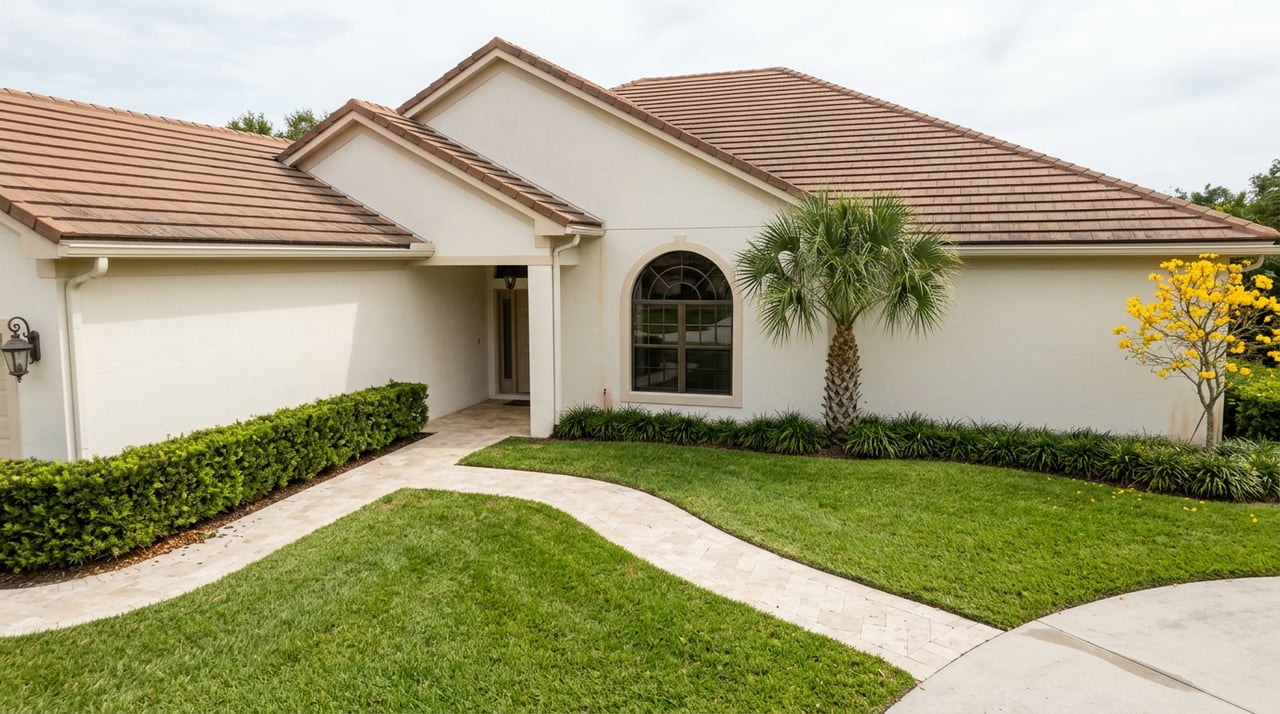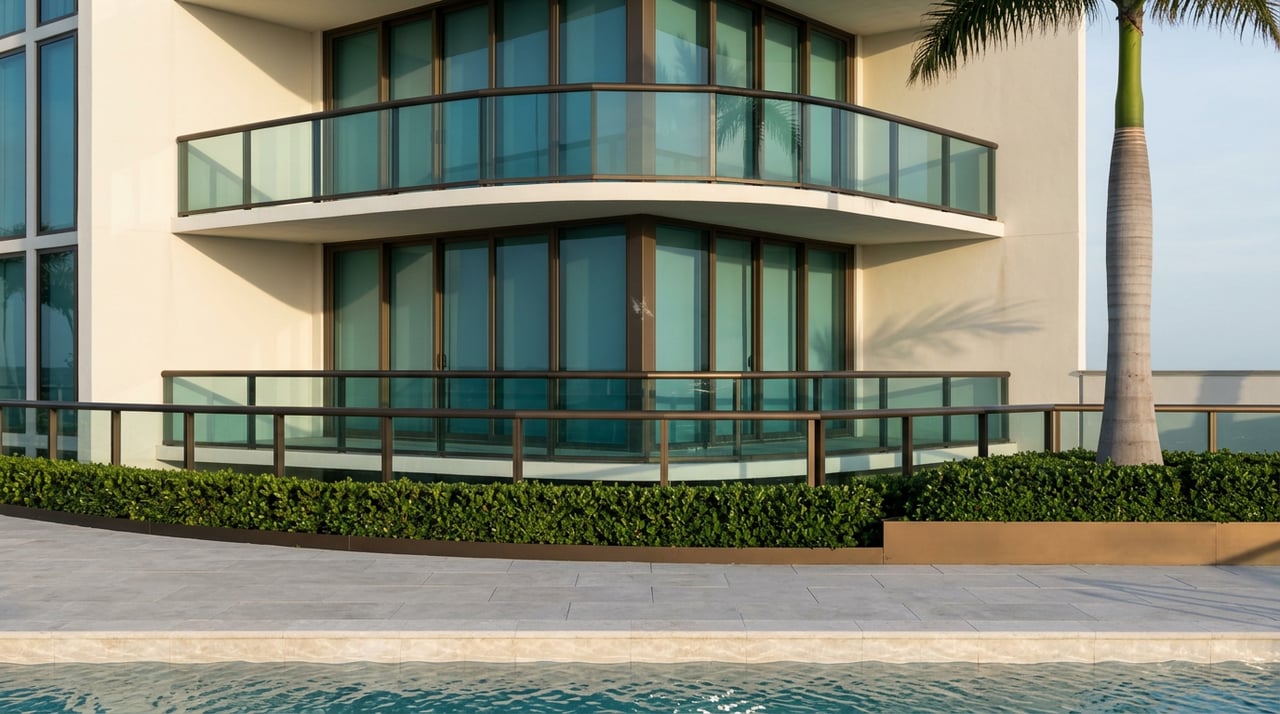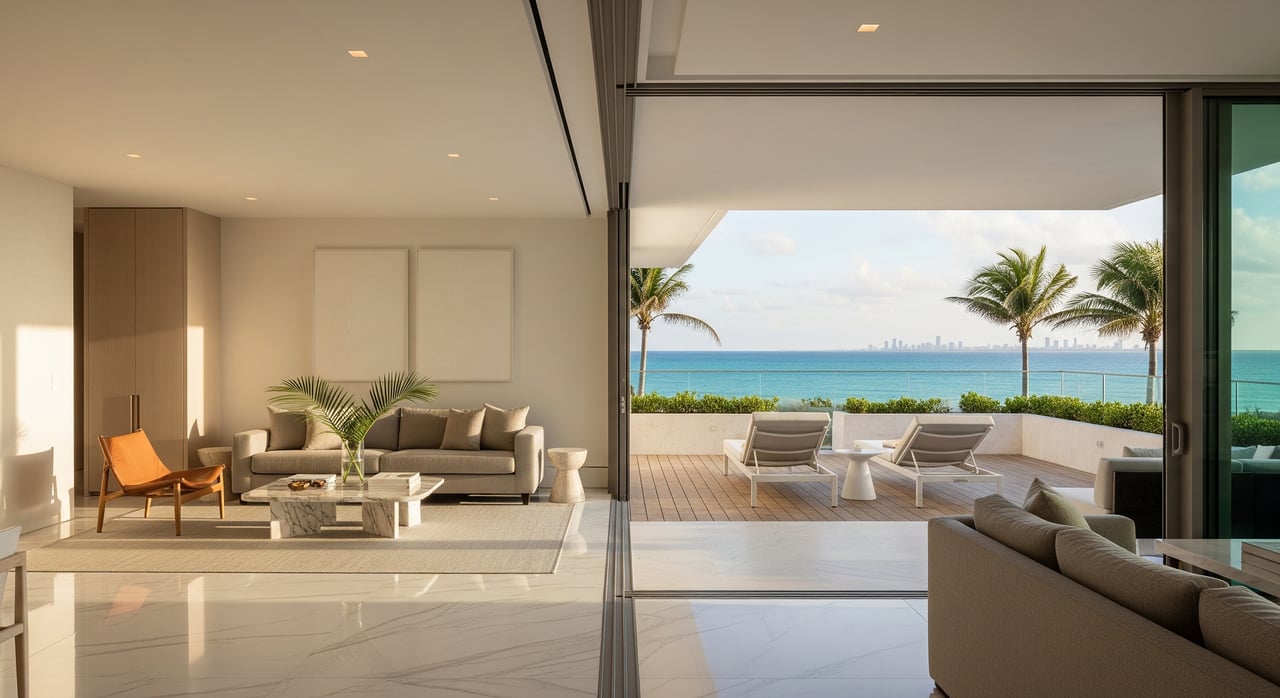
You picture coffee on a balcony, a quick jog on the Boardwalk, and an easy stroll to dinner. That can be your day in Miami Beach, but the experience shifts a lot by building, block, and season. If you are weighing a second home or a full-time move, it helps to know how amenities, parking, deliveries, weather, and local rules shape daily routines. In this guide, you will learn what everyday condo life actually looks like across South, Mid, and North Beach so you can choose the building and neighborhood that fit you best. Let’s dive in.
What everyday condo life feels like
Morning on the Boardwalk
Many residents start early to beat the heat. You might take a beach walk or run along the Boardwalk, jog near South Pointe Park, or loop Ocean Drive and Collins Avenue before traffic picks up. If your building has a fitness center or pool, you can keep your routine in-house when summer humidity peaks.
Amenities that streamline your day
Full-service towers often include a concierge or 24-hour desk, package rooms, valet parking, and on-site gyms. These services can simplify deliveries, guest arrivals, and daily workouts. Boutique or older buildings usually trade lower monthly fees for fewer services, which means you will lean more on neighborhood cafés, corner markets, and external gyms.
Deliveries, mail, and packages
High delivery volume is part of life here. Grocery and meal apps are common, and buildings with staffed desks or lockers manage that flow well. In smaller buildings, package handling may be more DIY, so ask about delivery policies when you tour.
Groceries and everyday errands
You can find smaller markets and specialty shops in walkable areas like South Beach, while larger grocers are scattered across the island and just over the causeways. Pharmacies, dry cleaners, cafés, bakeries, and studios cluster along Lincoln Road, Alton Road, and Collins Avenue. Your exact routine will depend on whether you prefer a short walk, a quick bike ride, or a brief drive for bigger hauls.
Pets and outdoor time
Many condos allow pets with size, breed, or number restrictions. Buildings vary widely on pet amenities, so confirm rules early. Beach access for dogs is limited in many areas during daylight hours, so plan on neighborhood parks and designated spaces for daily walks.
Mobility and getting around
Walking, biking, and trolleys
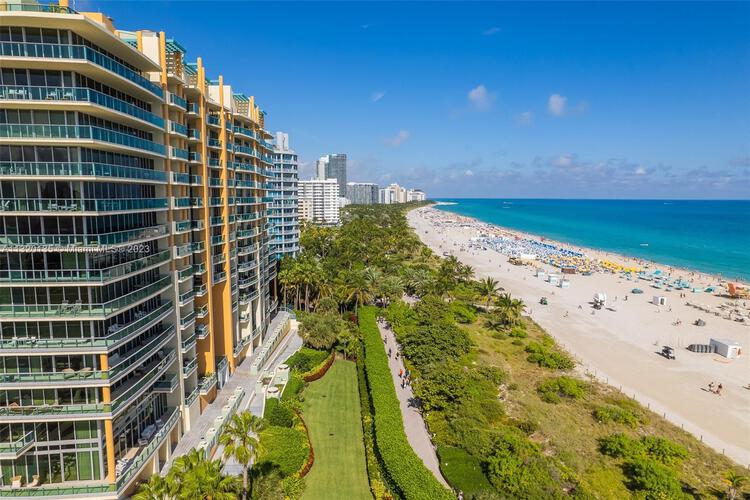
Miami Beach is walkable in many zones, and bike-share and scooters help with short trips. You can also use the city’s trolley system, which connects neighborhoods and major destinations on the island. Bike lanes and the Boardwalk support rides and runs, but lanes are not continuous everywhere, so plan your routes.
Driving, parking, and valet
Street parking is tight in denser areas. Many buildings include at least one garage space, especially larger towers, though older or small buildings might not. Hotels and some condos offer valet, and municipal garages support commercial corridors. Expect heavier congestion on Collins Avenue, Alton Road, and the causeways during peak hours and high season.
Commuting to the mainland
There is no direct Metrorail or Tri-Rail on Miami Beach. Bus lines and causeways connect you to mainland hubs, with rideshare and taxis used often for airport trips and nights out. If you work in downtown Miami or Brickell, plan buffer time during rush hour or consider partial remote work to avoid peak delays.

Seasons, events, and noise
High season vs. summer rhythm
The island’s busiest months are roughly November through April. Visitor traffic, restaurant demand, and cultural events ramp up, including major art and design weeks. Summer and early fall are usually quieter but hotter and more humid, and some businesses reduce hours during this stretch.
Nightlife and quiet pockets
South Beach is the nightlife center, especially around Ocean Drive, Collins Avenue, and Lincoln Road. Expect later-night activity, restaurant deliveries, and rideshare traffic there. Mid-Beach and North Beach generally have a calmer feel, though hotel corridors still bring steady movement.
Short-term rentals and building rules
Miami Beach regulates short-term rentals, and many condo associations restrict or ban them in their bylaws. If you are considering rental income or a second home, verify city requirements and any building-level minimum lease terms or owner-occupancy rules before you commit.
Neighborhood-by-neighborhood lifestyle
South Beach
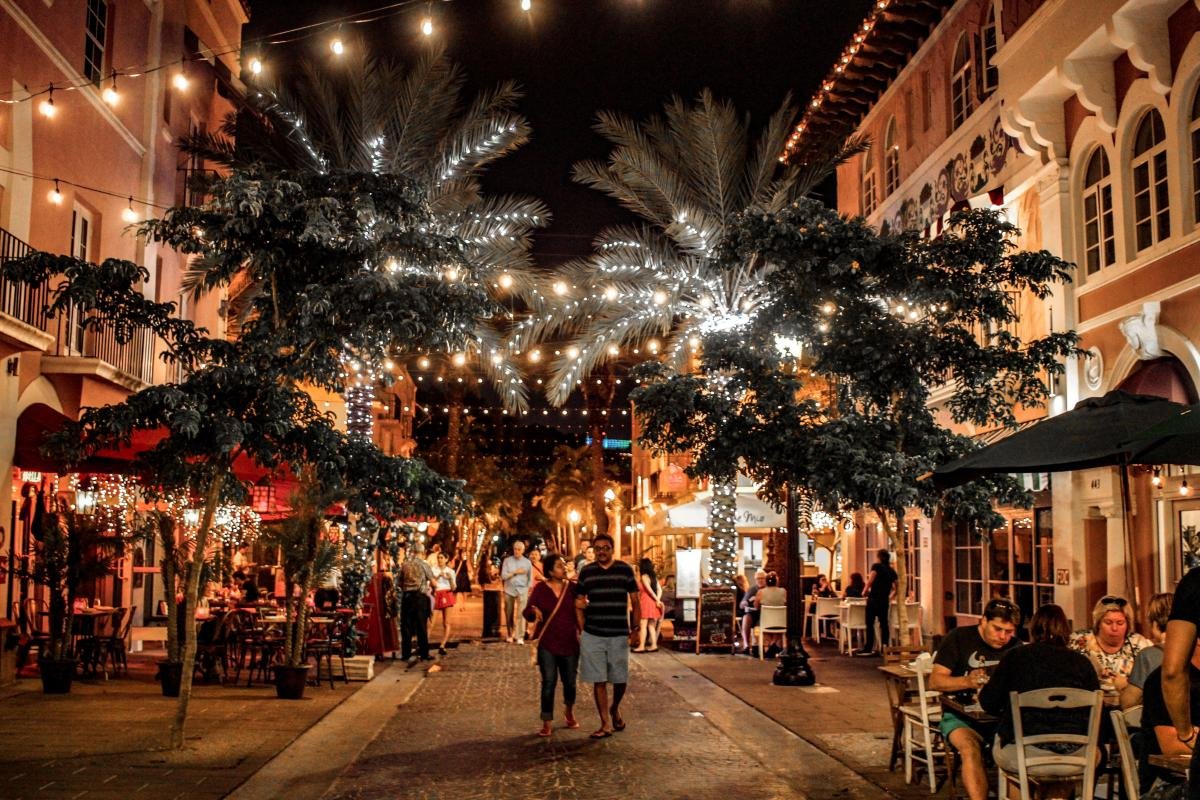
South Beach blends historic architecture, dining, and entertainment with a lively pedestrian scene. You can walk to cafés, boutiques, and the beach, but you will also feel peak-season crowds, evening noise, and tighter parking. Expect smaller buildings mixed with newer towers, which can create very different service levels block to block.
Mid-Beach
Mid-Beach mixes resort corridors with residential towers. You get a balance of beachfront access and a bit less nightlife intensity than South Beach. Larger buildings often include robust amenity packages, and daily life revolves around the oceanfront paths and hotel-adjacent dining.
North Beach and Normandy Isles
North Beach and Normandy Isles offer a calmer, local rhythm with more parks and neighborhood services. You may find more street parking and larger residential footprints. You will trade a longer walk to tourist corridors for a quieter day-to-day routine.
South of Fifth and Sunset Harbour
These micro-areas at the southern tip feel more residential than the party blocks nearby. You are close to parks like South Pointe and to upscale dining. Luxury condos are common, and higher HOA fees often reflect private services and polished amenity sets.

Weather, flooding, and preparedness
Hurricane season basics
Hurricane season runs from June 1 to November 30. Buildings typically provide emergency plans and communications, while you manage personal steps like securing shutters, removing balcony items, stocking supplies, and relocating cars if advised. It is smart to understand your building’s evacuation guidance and any special procedures for barrier-island residents.
Sunny-day flooding and elevation
Miami Beach experiences seasonal king tides and occasional sunny-day tidal flooding on low-lying streets and promenades. Many buildings and the city are actively managing stormwater and adaptation projects. Ask about your building’s elevation, flood history on the block, and how the garage and lobby entrances handle high-water events.
Insurance and budgeting
Coastal properties face specialized insurance needs. Condo associations carry master policies that typically cover common areas. You are responsible for your interior policy and, in many cases, separate flood coverage if you are in a designated flood zone. Budget for hurricane or wind deductibles, and confirm exactly what the master policy covers versus your policy.

What to review before you buy
HOA fees, services, and reserves
Monthly condo fees vary widely by building and amenity level. Fees often cover building insurance for common areas, maintenance, sometimes water or cable, and reserve contributions. Review the association’s financial statements, reserve studies, meeting minutes, and any history of special assessments so you understand long-term costs.
Building safety and recertification
Older coastal buildings in Miami-Dade go through periodic structural recertifications, commonly known as 40-year recertifications and follow-ups. Oversight has increased in recent years, so request inspection histories, structural reports, and any planned repair projects that could trigger assessments or temporary disruptions.
House rules that shape routines
Ask about balcony use, grills, smoking rules, package acceptance, guest parking, and quiet hours. Policies impact daily life, social plans, and your ability to host. If you want rental flexibility, confirm minimum lease terms and any restrictions on short stays.

Field checklist for your tours
- Visit twice: once in high season and once in summer to compare noise, traffic, and wait times.
- Speak with residents and building staff about deliveries, parking, concierge coverage, and late-night noise.
- Review HOA financials, reserve studies, meeting minutes, litigation disclosures, and assessment history.
- Confirm rules for rentals, pets, guest parking, balcony use, and smoking.
- Check flood maps and the building’s elevation, and ask about garage or lobby flooding history.
- Ask management about hurricane preparedness, recent repairs, and any scheduled capital projects.
- Test your commute at typical times, and note proximity to trolley or bus stops.
- Obtain quotes for your personal policy and, if relevant, landlord coverage, and verify the master policy.

Is a Miami Beach condo right for you?
If you love walkable beach access, resort-style amenities, and a lively cultural calendar, Miami Beach can fit your lifestyle. Your best match comes from aligning building services, neighborhood rhythm, and budget with how you actually live day to day. Take time to feel the island’s seasonal shifts, study each building’s policies and financials, and test your routes for errands and commuting.
When you are ready to compare buildings, decode HOA documents, or map amenity tradeoffs, connect with the local team that blends luxury service with investment-grade insight. Reach out to The Kotelsky Group for tailored guidance and private-market options across Miami Beach.

FAQs
How noisy is daily life in different Miami Beach areas?
- South Beach near Ocean Drive, Collins Avenue, and Lincoln Road is the busiest and can feel lively late into the night. Mid-Beach and North Beach are generally calmer, though hotel corridors still see steady activity.
How easy is beach access from typical condos in Miami Beach?
- Many buildings are a short walk to the sand, especially along the oceanfront corridors. Some larger properties emphasize direct beachfront access, while inland buildings rely on public pathways and Boardwalk entrances.
Can you park a car easily, and what options exist?
- Parking depends on the building and block. Towers often include garage spaces or valet, older or smaller buildings may not. Street parking is limited in dense areas, with metered and permit zones, and municipal garages serve commercial streets.
Are short-term rentals allowed in Miami Beach condos?
- The city regulates short-term rentals, and many condo associations restrict or ban them. Always confirm city rules and the building’s minimum lease terms before planning short stays.
How often does flooding affect daily routines in Miami Beach?
- Sunny-day tidal flooding can occur during king tides on low-lying streets. Ask about building elevation, past water events, and how garages and entries handle high water. Many properties and the city use adaptation measures to manage risk.
How walkable and transit-friendly is Miami Beach for commuting?
- The island is walkable in many zones, with bike-share, scooters, a trolley system, and bus connections to the mainland. There is no direct Metrorail on the island, so plan rideshare or bus links for mainland commutes.
What pet rules are common in Miami Beach condos?
- Many buildings allow pets with size, breed, or number limits. Confirm building-specific policies and note that beach access for dogs is often restricted during daylight hours, so plan for parks and designated areas.