Shopping along Collins Ave and torn between a condo-hotel and a traditional condo? You want beach access, strong amenities, and maybe some rental income, but the rules and financing can feel confusing. In a market like Sunny Isles Beach, those details change what you can do with your unit and what it costs to own. This guide explains the key differences so you can match your goals with the right product. Let’s dive in.
Condo-hotel vs condo: quick comparison
What is a condo-hotel
A condo-hotel is a condominium where individual units are sold to private owners, but the building operates like a hotel. You typically have an on-site operator, front desk, housekeeping, concierge, and food and beverage services. If you place your unit in the rental program, it can be offered for daily or weekly stays, with revenue shared between you and the operator under a set agreement.
What this means for you:
- You can use your unit and also generate income when it is in the hotel rental pool.
- Hotel operations and management agreements shape your access, fees, and personal use.
- Financing often follows non-warrantable or portfolio loan standards.
What is a traditional condo
A traditional condo is a residential building without a centralized hotel rental program. Leasing rules come from the association and often require minimum lease terms like 30 days or longer. Short-term stays may be limited or not allowed, depending on the governing documents and local rules.
What this means for you:
- More control over how you live in and lease your unit within association rules.
- Usually simpler financing if the project is warrantable.
- Rental income is typically from longer-term tenants rather than nightly guests.
Why two similar units can behave differently
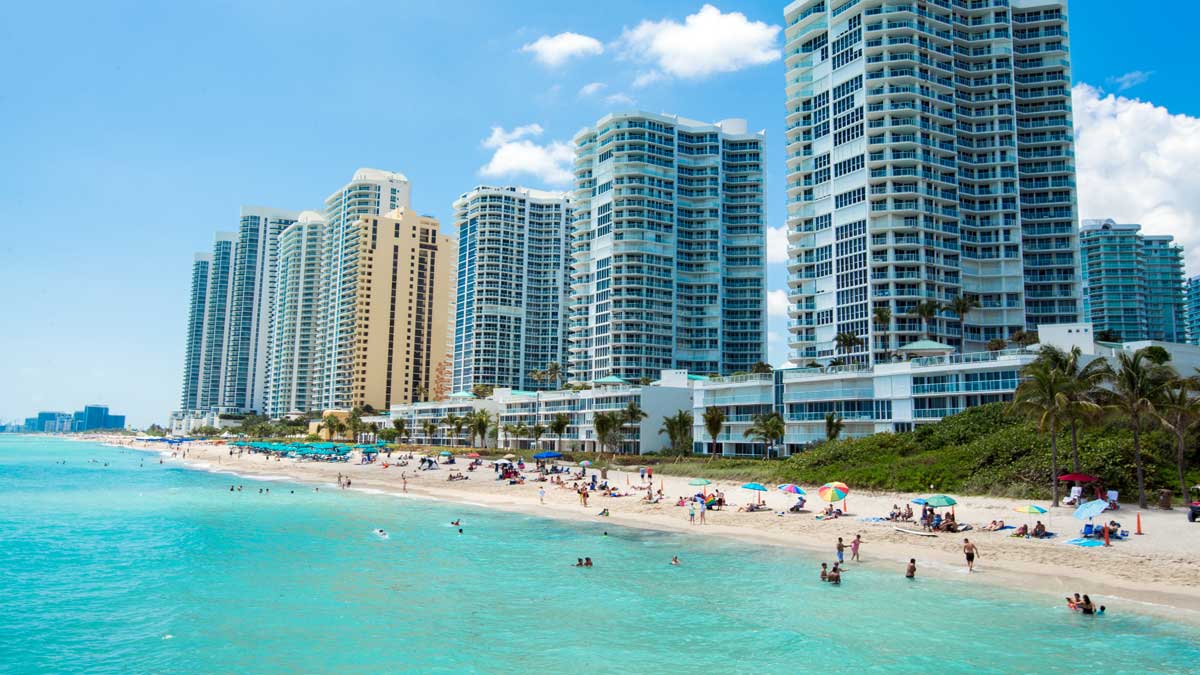
Along Collins Ave, buildings can look alike and share luxury amenities, yet the legal structure and governing documents can be very different. One tower might be a formal condo-hotel with a rental pool and hotel operator. The building next door may be a residential condo with longer lease minimums and no hotel program. Always check the project’s declaration, rules, and management agreements before you compare prices or projected returns.
Legal and regulatory basics in Sunny Isles
Florida Condominium Act
Both product types are governed by Florida Statutes, Chapter 718. The declaration and bylaws set rules on leasing, reserves, budgets, special assessments, and management. In a condo-hotel, you should also review the hotel/operator agreement for details on rental pool terms, owner benefits, and control of operations.
Key items to confirm:
- Rental restrictions and minimum lease terms.
- Whether a rental pool is mandatory or optional.
- Owner-use limits and blackout periods.
- Board control provisions and management agreement terms.

Local short-term rental rules and taxes
Municipal and county rules affect whether short-term rentals are permitted and how they must be registered and taxed. In Sunny Isles Beach and Miami-Dade County, requirements can include business licensing, inspections, and transient taxes. Rules can change, so verify with the City and the County before you assume a particular use is allowed.
If you participate in a hotel rental program, taxes on transient stays are commonly collected and remitted by the operator. You should still understand how taxes are calculated, what fees are deducted, and how income is reported for your unit.
Practical steps to stay compliant
- Verify current city and county STR requirements for your specific address.
- Confirm who collects and remits transient taxes and how that appears on your owner statements.
- Keep records for income reporting and allowable expenses.

Financing and insurance differences
Warrantable vs non-warrantable
Lenders review condo projects to decide if they meet agency criteria. A warrantable condo that meets Fannie Mae or Freddie Mac guidelines is usually easier to finance with conventional loans. Condo-hotels are often non-warrantable because of hotel operations, high investor concentration, and transient rentals. That status impacts the types of loans and pricing available.
How your loan can change
- Down payment: Buyers in condo-hotels often see higher down payment requirements, commonly 20 to 30 percent or more.
- Interest rate: Rates and fees may be higher than a typical warrantable condo.
- Loan programs: FHA and VA options are limited in condo-hotel projects that do not meet strict project approvals. Portfolio or investor loans are common alternatives.
Insurance and coverage
Condo-hotel associations typically carry commercial policies to cover hotel operations and common areas, which can differ from standard residential condo coverage. You should confirm what the master policy covers and what your HO-6 policy must include, such as interior build-out, contents, and loss of rental income. Turnover, amenities, and hospitality services can affect premiums and deductibles.
:max_bytes(150000):strip_icc()/InsuranceCompaniesvs.BanksWhatstheDifference-f1c406e2b14b40e79b7928b1f0ff35d4.jpg)
HOA operations, rental programs, and costs
Rental pools and operator agreements
In a condo-hotel, owners who join the rental pool receive a share of revenue after operator fees, taxes, and expenses. Management agreements can run for 10 to 30 years and define revenue splits, owner access, termination rights, and reporting. Read these terms carefully and clarify whether revenue shares are calculated on gross or net income.
In a traditional condo, there is typically no centralized hotel rental pool. Owners who lease often do so with minimum terms set by the association. You may use a property manager or platform, but the building usually does not market your unit as hotel inventory.
Fees, assessments, and reserves
Hotel-style buildings carry larger operating budgets to cover staffing, front desk operations, housekeeping, amenities, marketing, and capital reserves. Expect standard HOA dues plus potential allocations for hotel operations if you are in the rental pool. Review the budget, reserve study, and recent special assessments to understand long-term capital needs.
Owner use and access
Condo-hotels often limit owner use to protect availability for rental. You may have capped personal-use days and blackout periods. When you do visit, you may need to follow hotel protocols for check-in and housekeeping. Traditional condos usually feel more residential and allow flexible owner occupancy, subject to the association’s leasing and house rules.

Which option fits your goals
If you want a low-maintenance second home
A condo-hotel can deliver convenience with on-site services like housekeeping and security. The ability to earn rental income when you are away can offset holding costs, provided the terms work for your schedule. Focus on personal-use limits, blackout dates, and how hotel operations will affect your privacy and visit patterns.
If you are focused on ROI
Condo-hotels can achieve strong nightly rates, but your net depends on operator fees, HOA costs, taxes, occupancy, and financing. Traditional condos often provide steadier long-term rents and simpler financing if the project is warrantable. Build conservative projections that include debt costs and reserves, then stress test for seasonality and higher expenses.

Due diligence checklist for Collins Ave buyers
Documents to request and review
- Condominium declaration, bylaws, rules and regulations.
- Prospectus or public offering statement if the project was marketed as a condo-hotel.
- Management and hotel operator agreements, including revenue-sharing schedules.
- Latest association budget, reserve study, audited financials, and meeting minutes.
- Rental pool rules and sample owner statements showing all fee deductions.
- Master insurance policy and owner coverage requirements.
- Certificate of occupancy and any zoning approvals that define permitted uses.
- Any list of approved lenders or lender letters on project eligibility.
Questions to ask before you make an offer
- Is the rental pool mandatory or optional? What are owner obligations?
- Are revenue splits calculated on gross or net income? What fees are deducted first?
- What are the owner personal-use limits and blackout periods?
- Are there pending special assessments or litigation?
- Who remits transient taxes and how are they shown on owner statements?
Financing and insurance steps
- Ask lenders early whether the project is warrantable and what that means for your down payment and rate.
- Compare portfolio loan options if the building is non-warrantable or a condo-hotel.
- Review insurance requirements for both the master policy and your HO-6, including loss of rental income coverage if relevant.
Compliance and tax planning
- Confirm Sunny Isles Beach and Miami-Dade rules for short-term rentals at your address.
- Clarify transient tax obligations and recordkeeping for rental activity.
- Discuss income reporting, depreciation, and expense treatment with your tax professional.

Final thoughts and next steps
Both condo-hotels and traditional condos thrive in Sunny Isles Beach, but they serve different ownership goals. If you want turnkey services and a path to transient rental income, a condo-hotel may fit. If you prefer flexible personal use, simpler financing, and longer leases, a traditional condo may be the better choice.
You do not have to navigate this alone. The right advisor will help you verify building rules, model realistic returns, and secure the right financing. If you are comparing options along Collins Ave, connect with The Kotelsky Group for hands-on guidance, from acquisition and rental strategy to full-service brokerage and property management.

FAQs
Can I live full-time in a Sunny Isles condo-hotel unit?
- Some projects allow owner occupancy, but many limit personal use and have hotel protocols. Financing may be more limited for primary residence plans, so confirm lender and project eligibility.
Are condo-hotels better for short-term rental income in Sunny Isles?
- They are designed for transient stays and can achieve higher nightly rates, but net returns depend on operator fees, HOA costs, occupancy, and taxes. Compare actual owner statements before deciding.
Will an FHA or VA loan work for a condo-hotel near Collins Ave?
- Many condo-hotel projects do not meet FHA or VA approval standards. Check project approvals with your lender and be prepared to use portfolio financing if needed.
Who handles tourist and transient taxes for a condo-hotel unit?
- Operators commonly collect and remit taxes for stays in the rental pool. Confirm the exact process and how taxes and fees appear on your owner statements.
What documents should I review before buying in a condo-hotel?
- Start with the declaration, bylaws, rental pool rules, operator agreement, recent budgets, reserve study, audited financials, insurance policies, and sample owner revenue statements.