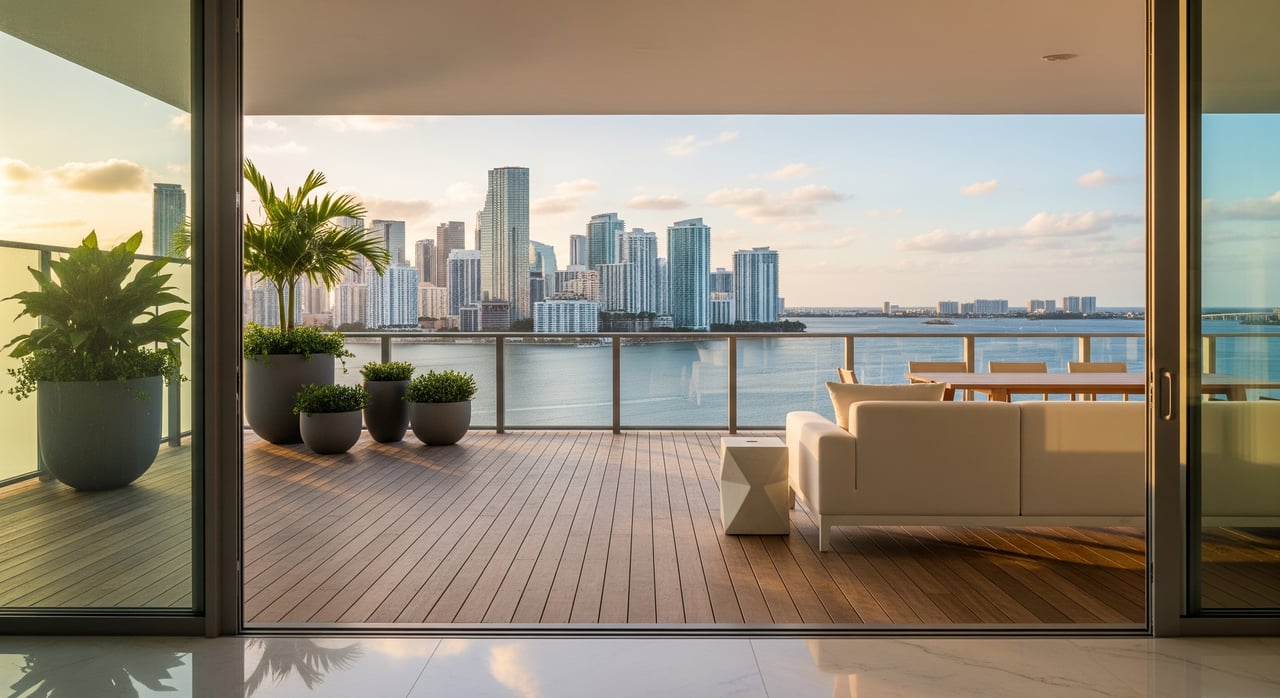
Is your Brickell Key condo worth what you think it is, or has the market shifted under your feet? Pricing a waterfront unit on this gated island is not like valuing a typical condo across the bridge. Views, floor height, assessments, and insurance all move the number more than you might expect. In a few minutes, you will learn how buyers, appraisers, and serious investors look at value on Brickell Key so you can price with confidence.
You will see which market signals matter, how to build a simple comparable analysis, what adjustments to make for view and renovations, and which building documents to collect before you list. If you are an investor, you will also learn how to frame value using rents and cap rates. Let’s dive in.
What drives Brickell Key prices
Brickell Key is a private island next to the Brickell financial district. Most properties are condominiums in mid to high-rise towers. Units vary widely by building, floor, and finish level, so value can shift noticeably within the same stack.
Three features typically command premiums:
- Unobstructed bay or skyline views
- Higher floor locations with larger or wraparound terraces
- Deeded parking and private storage
Lifestyle amenities and privacy add to demand. Buildings with strong amenities, updated common areas, and funded reserves usually earn higher buyer confidence and better pricing.

How to read market signals
Before you settle on a number, study a few local indicators specific to Brickell Key. You want direction and context more than a single stat.
- Median sale price and price per square foot over the past 6 to 12 months. Look for trend direction and the spread between renovated view units and interior-facing units.
- Months of inventory and absorption. Rising inventory can pressure prices, while tight supply supports stronger list-to-sale results.
- Average days on market and the sale-to-list ratio. Faster sales and higher ratios suggest pricing power for sellers.
- Recent notable sales in your building or a direct peer building. Property-specific outcomes are the most telling for condo valuation on the island.
- Building updates and renovations. New amenity decks, lobby redesigns, or completed recertification milestones can shift buyer demand.
If you plan to list soon, pull the latest closed, pending, and active data from local MLS sources and association market reports. Use that live snapshot to frame your pricing range.

The best ways to value
There are three primary methods you can use. Most homeowners will rely on comparable sales. Investors often layer in the income approach.
Comparable sales method
This is the go-to method for owner-occupants and most listings. Start with 3 to 6 closed sales from the past 90 to 180 days in the same building or one that is truly comparable nearby. Match on bedroom count, stack or line when possible, and similar square footage.
Next, adjust for the big differences:
- Floor level and view exposure
- Renovation level and finish quality
- Balcony size and orientation
- Deeded parking and storage
- Monthly HOA fees and known assessments
When you finish your adjustments, you should have a value range, not a single number. Aim for a tight band that reflects today’s market tone and your unit’s condition.
Income approach for investors
If your buyer pool includes investors or if your unit is currently leased, also frame value using income. Estimate current achievable rent for a comparable unit, then evaluate value using a gross rent multiplier or a capitalization rate. Remember to account for HOA fees, insurance, property taxes, management, and vacancy when you compute net operating income.
Use a cap rate range supported by recent investor transactions in the immediate area. Cross-check your income-based value with the comparable sales range. If the income value is lower than the sales comp range, investors may be more selective unless lifestyle buyers dominate the building.
Cost approach
Replacement cost analysis is rarely useful for individual condo units on Brickell Key. It can be relevant for insurance or new construction discussions but does not capture market preferences for views and building reputation.

Adjustments that change value
Fine-tuning your valuation comes down to consistent, evidence-based adjustments. Brickell Key buyers pay close attention to the following details.
- View and orientation. Bay and skyline exposures typically command premiums. Obstructed or interior views trade at a discount.
- Floor height. Higher floors often sell for more per square foot, particularly with larger terraces and better light.
- Square footage and balcony differences. Confirm whether square footage is interior living area or includes balcony space. Use like-for-like comparisons.
- Renovation scope. A recent kitchen and bath renovation, high-end flooring, and updated systems can move price per square foot materially.
- Parking and storage. Deeded or secured parking and private storage rooms add tangible value. Confirm the number of spaces and whether they are deeded or assigned.
- HOA fees and assessments. Higher monthly dues reduce buyer purchasing power. Pending or recent special assessments lower the effective price a buyer will pay.
- Rental rules. Short-term rental limits reduce investor interest. Permissive policies can widen the buyer pool, subject to association rules and local law.

Brickell Key factors to check
Beyond unit features, building health and risk items can change your price and time on market.
- Reserve funds and studies. Underfunded reserves can hint at future assessments. Strong reserves build buyer confidence.
- Special assessments. Buyers typically discount the purchase price for the present value of any assessment they must assume.
- Recertification status. Older buildings must complete engineering recertifications on set timelines. Buyers often request the latest structural and engineering reports.
- Insurance costs and availability. Wind and flood premiums have increased in recent years. Higher costs affect monthly carrying costs and investor yields.
- Flood risk and mitigation. Check flood zone, elevation, seawall condition, and building mitigation measures. Clear documentation helps buyers evaluate risk and resale.
- Market perception. Proximity to Brickell’s offices, island parks, and promenades supports demand. Temporary shocks like severe storm seasons or insurance disruptions can slow activity.

Step-by-step valuation plan
Follow this simple workflow to build a reliable price range for your unit.
- Gather unit facts
- Address, unit number, floor, verified square footage, bed and bath count
- Deeded parking and storage, photos, and last renovation dates
- Any lease terms or deed restrictions
- Request HOA documents
- Current budget, reserve study, and last 12 months of meeting minutes
- Bylaws, declaration, and rental policy
- Notices of special assessments and the building’s insurance certificate
- Pull market data
- Closed sales in your building and immediate peers from the past 3 to 6 months
- Active and pending listings for supply context
- Price per square foot and days on market trends
- Adjust your comps
- View, floor, balcony, renovation level, parking and storage
- HOA dues and any assessments that carry over to the buyer
- Add an income lens if relevant
- Current achievable rent for similar units
- Operating costs and a cap rate supported by recent investor trades
- Review risk items
- Recertification status, engineering reports, reserve funding
- Flood zone and recent insurance premium changes
- Produce a value range
- Present a narrow range with your assumptions
- Outline steps to improve marketability before listing

Quick owner checklist
Use this rapid checklist to clarify value drivers before you price.
- Is your view unobstructed bay or skyline, partial, or interior-facing?
- What is your floor level and balcony size compared with nearby sales?
- Do you have deeded parking and private storage, and how many spaces?
- Are HOA reserves healthy based on the latest study and minutes?
- Is there any current or pending special assessment, and who pays it at closing?
- What are the monthly HOA dues, and what do they cover?
- Are short-term rentals allowed under the bylaws, and with what minimums?
- Is the building current on required recertification, with recent engineering reports available?

Investor lens: income value
Investors will weigh net yield alongside market comps. When you position your unit, have a clear rent story and transparent expenses. Estimate realistic rent based on comparable units in your building or a direct peer. Back out HOA dues, insurance, taxes, management, utilities you pay, and a vacancy factor to find net operating income.
Then apply a cap rate range that aligns with recent investor sales nearby. If the resulting value sits below owner-occupant comp prices, expect investors to target value-add opportunities or request concessions. If income value and comp value align, your pricing confidence increases.

What to gather from your HOA
Buyers on Brickell Key are more vigilant about building health and costs. Having documents ready can raise trust and reduce time on market.
- Most recent budget and reserve study
- Past 12 months of board meeting minutes
- Declaration, bylaws, and rental policy
- Notices of assessments and payment schedules
- Building insurance certificate
- Recent engineering or inspection reports tied to recertification
- Deed or addenda showing parking and storage rights
- Records and permits for your renovations
Package these in a clean digital folder so buyers and their lenders can review quickly.

How to improve marketability
A few targeted actions can lift perceived value and help you defend your asking price.
- Pre-list inspection focus. Address visible maintenance items, caulk and paint, refresh lighting, and service HVAC.
- Renovation tune-ups. Update hardware, faucets, and fixtures if your finishes lag comparable sales.
- Elevate presentation. Professional photography, twilight shots for view units, and clear floor plans showcase value.
- Clarify costs. Summarize HOA dues, what they include, and any assessment terms so buyers can underwrite quickly.
- Lead with documentation. Offer the reserve study, insurance certificate, and engineering reports early to build trust.

What your next move could be
If you are within 6 months of listing, a live market analysis tailored to your line and view is the smartest first step. Pair a comp-based range with an income lens if investors are part of your buyer pool. Tighten your asking price once you confirm building documents and any assessment responsibilities.
If you want a clear, data-backed plan to price and present your Brickell Key condo, connect with the local team that blends luxury marketing and investor-grade analysis. Get a custom valuation, an update on the latest island sales, and a checklist to go live with confidence. Reach out to The Kotelsky Group to Get a Free Home Valuation Today.

FAQs
How can I quickly estimate my Brickell Key condo value?
- Start with 3 to 6 recent closed sales in your building, adjust for view, floor, condition, balcony, and parking, then express your estimate as a range.
How do Brickell Key condo fees impact sale price?
- Higher monthly HOA dues increase carrying costs and can reduce what buyers are willing to pay, especially for investors, so disclose what fees include and reserve funding.
What should I know about flood risk for Brickell Key?
- Flood zone, elevation, and building mitigation steps affect insurance and buyer demand; document these items and confirm premiums as part of your valuation.
Will a special assessment lower my condo’s price?
- Yes, buyers typically discount by the assessment amount and may factor in the risk of future levies if reserves are low.
Do I need an appraisal to list my Brickell Key condo?
- A professional appraisal is usually required for financed buyers, but a detailed local CMA is typically sufficient for setting an initial list price.