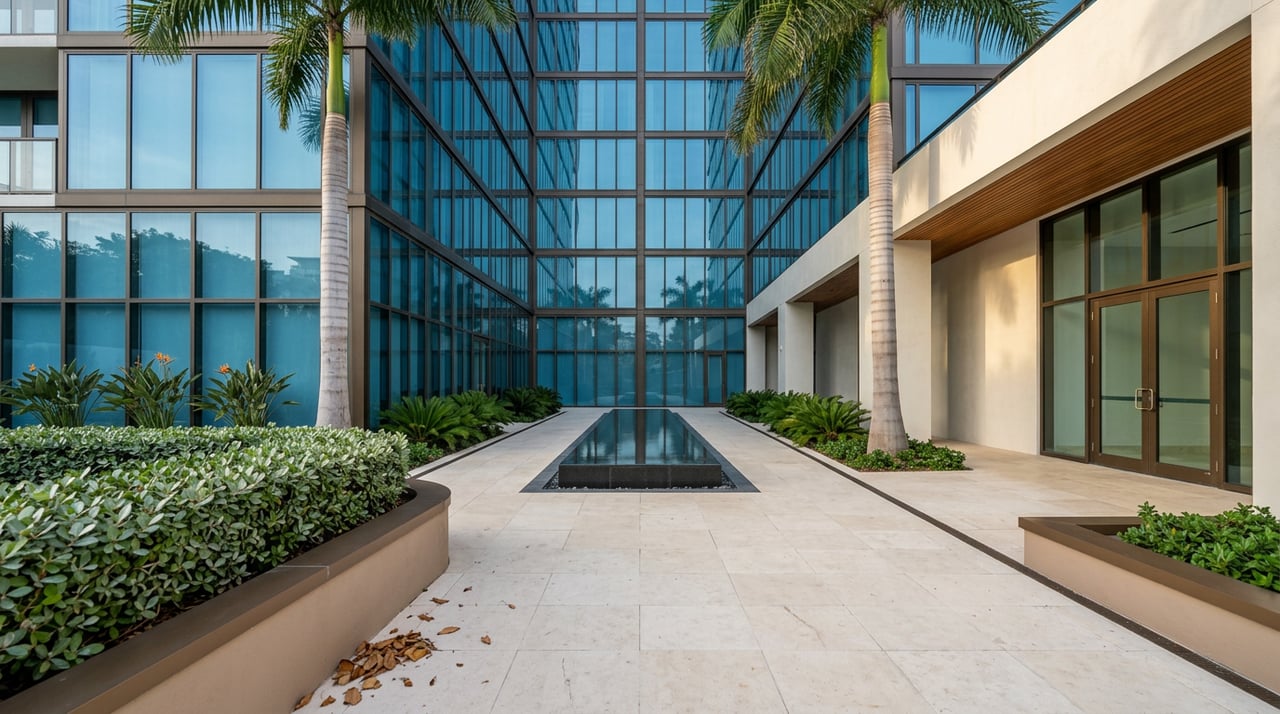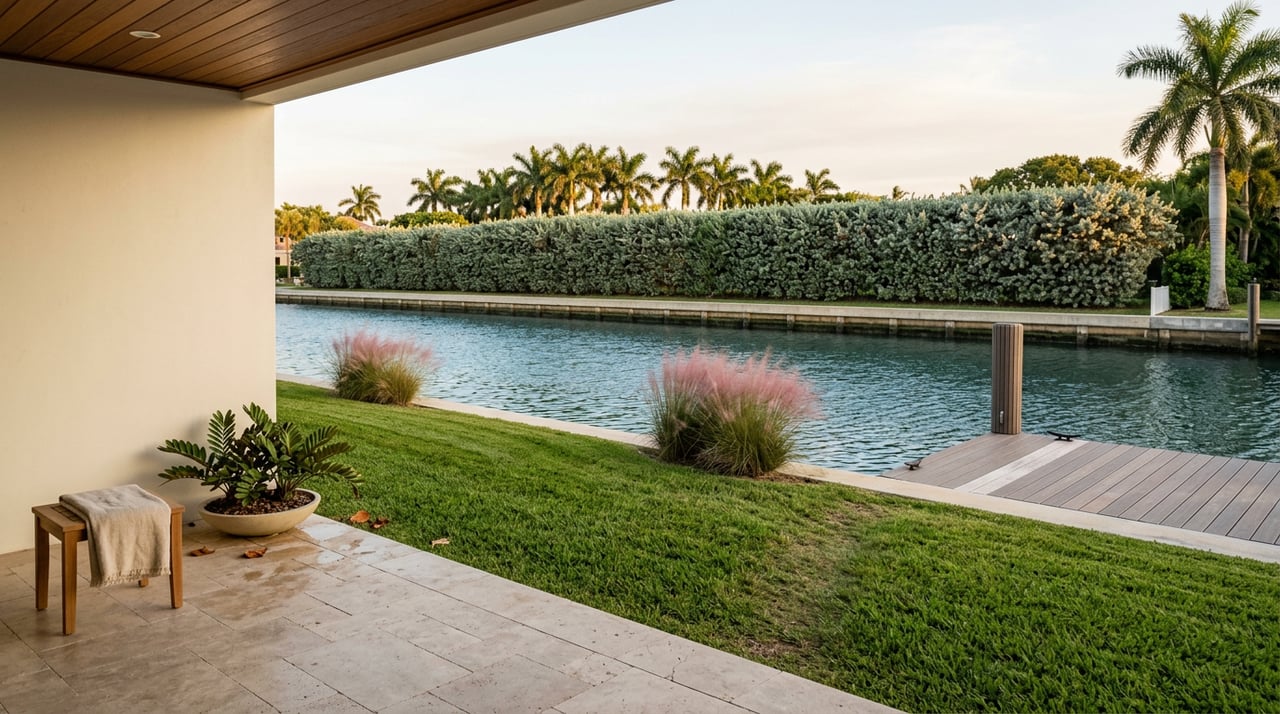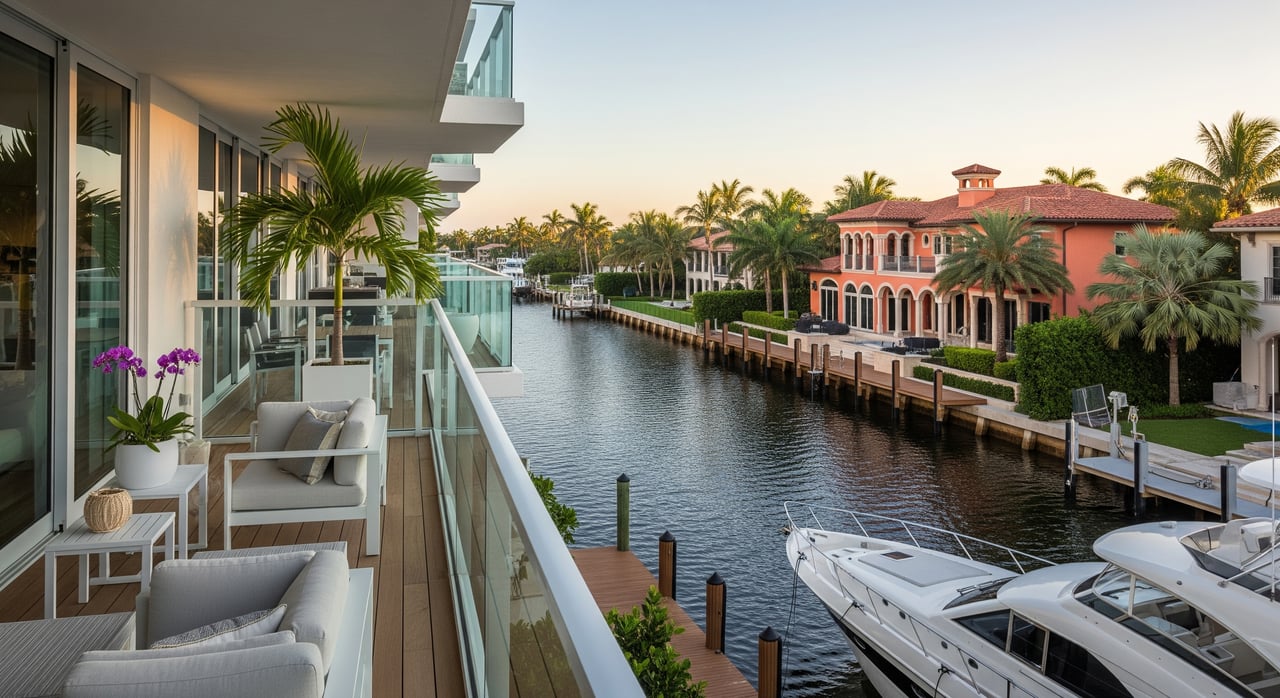
You want the water, the breeze, and the easy South Florida lifestyle. The big question is how you want to live it: in a high‑rise condo with resort‑style amenities or in a single‑family home with your own dock and yard. Both paths can be smart in Hallandale Beach, but they come with different costs, responsibilities, and rules.
This guide breaks down how condos and houses compare on ownership, fees, insurance, financing, rentals, and day‑to‑day living. You will learn what to look for before you buy and how to match your lifestyle and investment goals to the right property. Let’s dive in.
Hallandale Beach waterfront at a glance
Hallandale Beach sits between Miami and Hollywood/Fort Lauderdale. You will find oceanfront high‑rise condos, mid‑rise buildings near the Intracoastal, canal‑front single‑family homes, and some townhomes. The area draws year‑round and seasonal residents along with visitors who enjoy the beaches, nearby entertainment, and easy access to both Miami and Fort Lauderdale.
Condos tend to attract buyers who want low maintenance and amenities like pools, security, and fitness centers. Waterfront houses appeal if you want private outdoor space, direct dock access, or more control over renovations and land use.

Ownership and control: condo vs house
Condo ownership basics
- You own your unit’s interior and a share of the common elements.
- A condominium association manages exteriors, shared systems, and common areas.
- Rules come from the declaration, bylaws, and community policies. These shape what you can change, how you can rent, and what your fees cover.
- Review the association’s financials, reserve studies, meeting minutes, and any special assessments or litigation before you commit.
House ownership basics
- You own the land and the improvements. That means more control and more responsibility.
- You handle roof, seawall, dock, landscaping, and all mechanical systems.
- If the home sits in an HOA, you may follow community rules and pay fees, but major maintenance is still on you.
Cost and ongoing expenses
Purchase and monthly costs
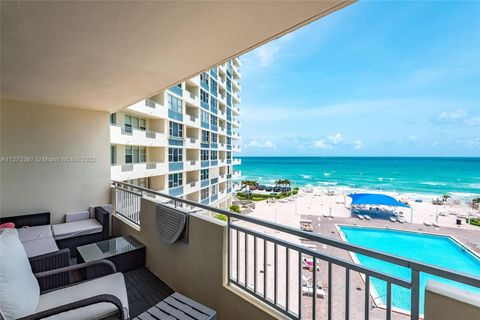
- Condos often have a lower entry price but higher monthly fees that fund amenities, maintenance, and some building insurance.
- Houses usually cost more upfront. Monthly HOA fees, if any, may be lower, but you will have higher out‑of‑pocket maintenance and repairs.
Insurance and flood risk
- Many waterfront properties fall into FEMA flood zones such as VE or AE. Flood zone status affects insurance requirements and premiums.
- Condos generally carry a master policy for the structure and common areas. You still need a unit policy for interiors, improvements, and personal property, plus a loss assessment rider when appropriate.
- Houses require homeowner insurance plus separate flood coverage if in a high‑risk zone. You also budget for seawall and dock upkeep.
- Building age, construction type, impact windows and doors, roof connections, and elevation can influence underwriting and premiums.
Maintenance and capital projects
- Condos fund roof, facade, and elevator repairs through reserves or special assessments. Ask for the latest reserve study and any planned capital projects.
- Houses require direct budgeting for roof replacement, structural repairs, seawall and dock work, landscaping, pest control, and mechanical systems.
Taxes and exemptions
- Both condos and houses may qualify for Florida’s homestead exemption if used as your primary residence. Check local assessment methods and millage rates with Broward County before you buy.
Lifestyle and amenities
Condo living
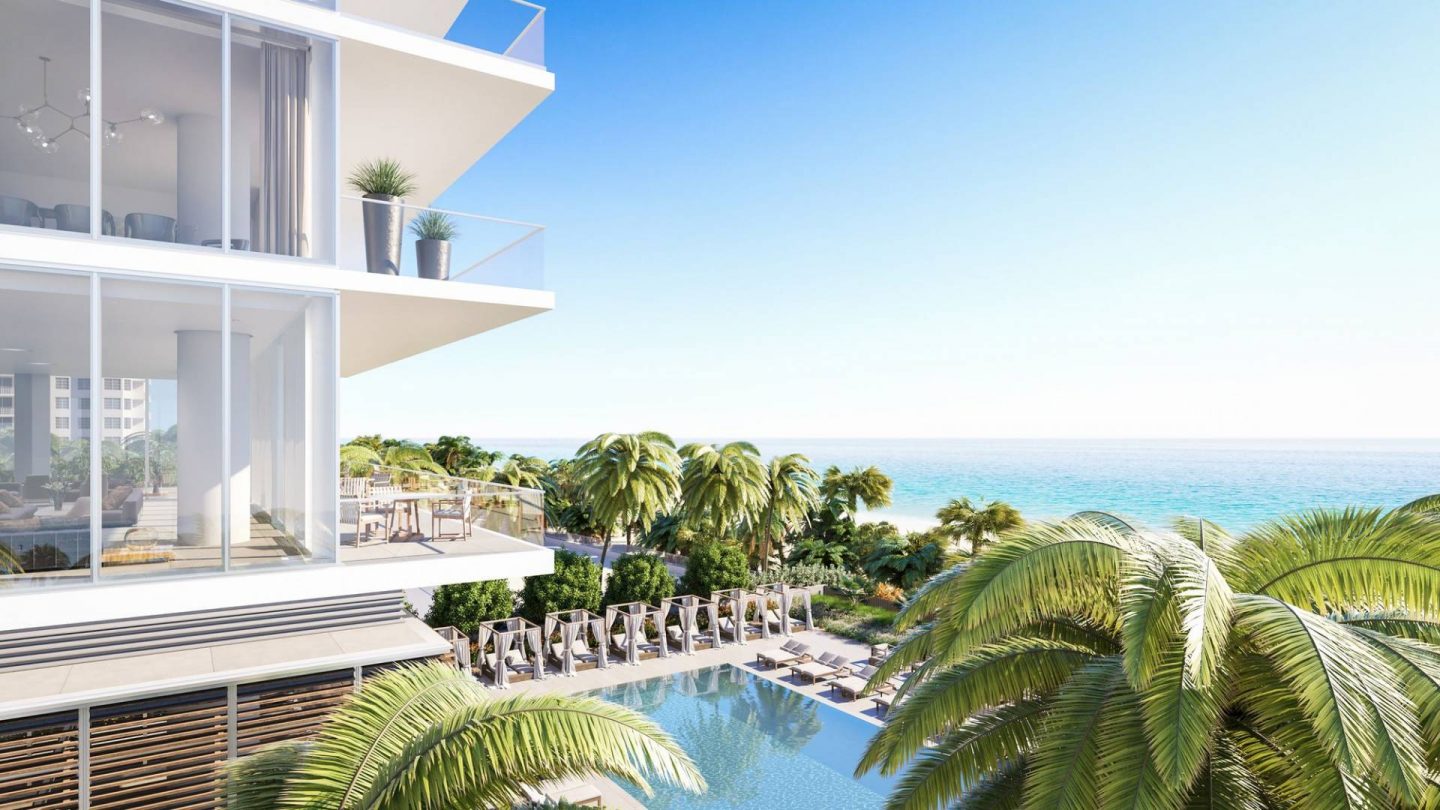
- Expect convenient amenities like pools, fitness centers, and security.
- Little exterior maintenance and the option to lock and leave can be ideal for seasonal use.
- You share walls and depend on building systems like elevators and generators. Confirm the building’s storm plan and backup power.
House living
- Enjoy privacy, storage, and outdoor space for entertaining.
- Direct control of dockage and exterior design is a plus for boaters and hobbyists.
- Plan for ongoing upkeep, from landscaping to seawall inspections.
Boat access and marine details
- Single‑family homes often have private docks and seawalls you maintain and insure.
- Some condo communities offer marinas or shared slips. Verify slip ownership, transferability, maintenance responsibilities, and permits.

Financing, appraisal, and resale
Financing differences
- Condos face extra lender reviews of the building’s financial health, reserves, owner‑occupancy mix, litigation, and insurance. Not every building meets every loan program’s criteria.
- Single‑family homes tend to be more straightforward to finance, subject to appraisal and flood insurance requirements.
Appraisal and valuation
- Appraisers weigh flood risk, building condition, recent sales, and rental potential based on allowed lease rules.
- High condo fees or strict rental policies can affect buyer demand and valuation. For houses, land value, dockage, and elevation can support pricing.
Resale and liquidity
- Condos often have higher turnover and more investor interest, which can lead to price sensitivity tied to association health.
- Waterfront houses with private docks and favorable elevations can hold value due to land scarcity and unique features. Maintenance history and flood exposure still matter.

Rentals and short‑term rules
Condo association policies
- Many associations limit or prohibit short‑term rentals, require minimum lease terms, or cap the number of investor units.
- Always confirm rental rules, application steps, and any waiting period before counting on income.
City and county considerations
- The City of Hallandale Beach and Broward County regulate short‑term rentals, licensing, taxes, and occupancy limits.
- For either condos or houses, verify local requirements and building or HOA policies before purchasing an income‑oriented property.
Climate and long‑term risk
- In the near term, hurricanes, storm surge, and tidal flooding are the key hazards for Hallandale Beach waterfront properties.
- Over decades, sea‑level rise and nuisance flooding may influence insurability, maintenance needs, and resale.
- Ask about seawall standards, local adaptation plans, and coastal construction permits that could shape future improvements and costs.
Due‑diligence checklist for buyers
Use this list to compare a waterfront condo and a waterfront house side by side.
-
Property and flood documents
- Flood zone determination and, if available, an elevation certificate.
- Year built, roof age, major renovations, and recent condition reports.
- For houses: recent survey showing seawall and dock, plus permits and any inspection or maintenance records.
- For condos: declaration, bylaws, rules, budget, reserve study, 12–24 months of meeting minutes, recent engineering or structural reports, master insurance policy, litigation disclosures, and rental rules.
-
Insurance and financing
- Preliminary quotes for homeowner and flood insurance, and clarity on what the condo master policy covers.
- For condos: confirm building eligibility for your loan type and any lender questionnaires.
- For houses: confirm lender flood requirements and available coverage options.
-
Physical inspections
- General home inspection for either property type.
- Specialized inspections as needed: seawall and dock, termite and pest, mold or salt‑air corrosion, and structural reviews for older buildings.
-
Local rules and community factors
- City of Hallandale Beach ordinances for short‑term rentals, parking, and waterfront permits.
- HOA or association policies on pets, rentals, renovations, and marina slip ownership or assignment.
-
Financial health indicators
- Association delinquency rates, history of special assessments, and adequacy of reserves.
- Planned capital projects and timelines.

Which waterfront option fits you?
Choose a condo if you want low maintenance, amenities, and a lock‑and‑leave setup near the beach and entertainment. This can be a good fit for seasonal owners or anyone who prefers managed buildings and predictable routines.
Choose a house if you value privacy, outdoor living, and direct control of your dock and yard. You accept more responsibility and variability in costs in exchange for land ownership and flexibility.
If you are investment‑minded, focus on rental rules, insurance availability, flood risk, and liquidity. Whether you plan to use the property seasonally or year‑round, the right pick balances lifestyle with long‑term cost and risk.
Ready to compare real options and run the numbers on insurance, fees, and potential rental income? Connect with The Kotelsky Group for a tailored analysis and on‑the‑ground guidance.

FAQs
Do I need flood insurance for a Hallandale Beach waterfront property?
- Lenders usually require flood insurance in high‑risk FEMA zones. Condos may have a master flood policy for the building, but you often still need contents coverage and a loss assessment rider.
Are condo fees worth it compared with owning a house on the water?
- Condo fees fund amenities, maintenance, and building insurance for common areas, which adds convenience but raises monthly costs. Houses trade higher maintenance responsibility for more control and land ownership.
Can I finance a waterfront condo the same way as a house?
- Not always. Many lenders review condo buildings for reserves, occupancy, litigation, and insurance. Single‑family homes are often simpler to finance, subject to appraisal and flood coverage.
Who is responsible for seawall and dock repairs?
- For houses, owners typically handle seawall and dock repairs. In condos, responsibility depends on whether the seawall is a common element, so check the governing documents.
How do I evaluate long‑term climate risk for a waterfront purchase?
- Review FEMA maps, property elevation, seawall condition, and local resilience plans, then consider how insurance availability and costs could evolve over time.