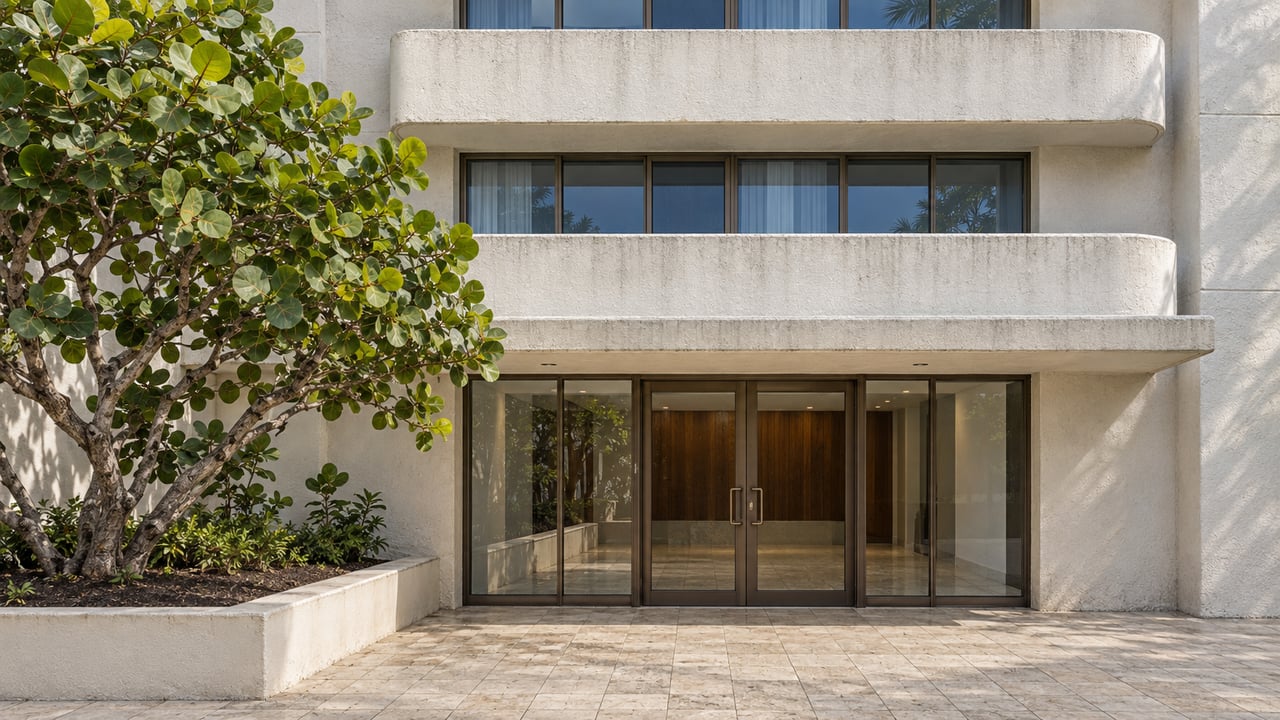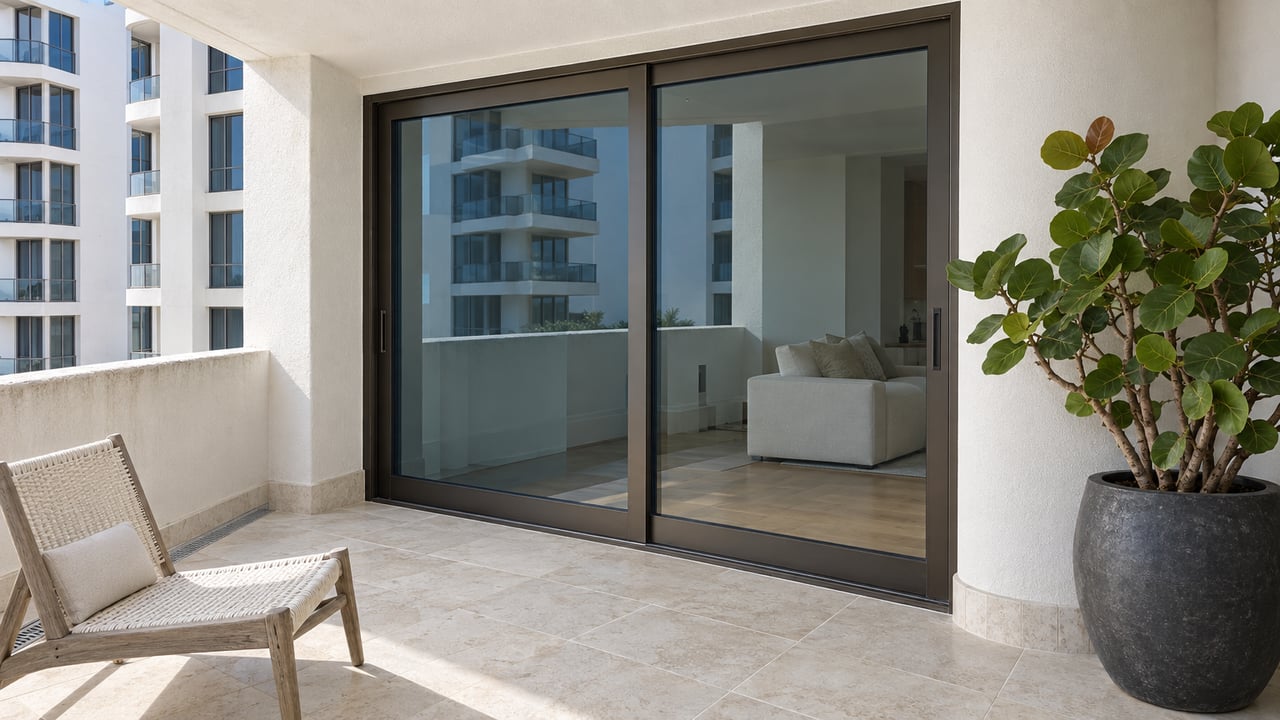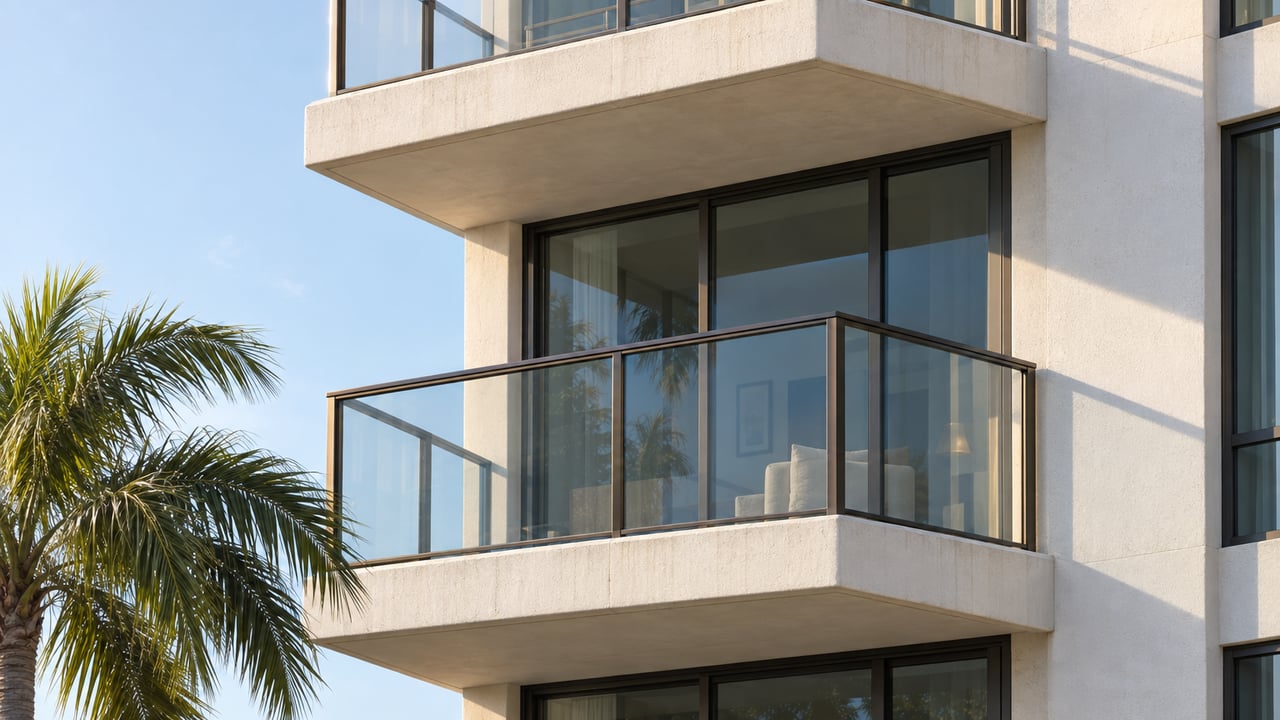
Thinking about a second home in Miami Beach? It can be an exciting move, but it also comes with local rules, ownership costs, and property risks that are easy to underestimate. If you want a place that fits your lifestyle and your budget, you need a plan that goes beyond the purchase price. Let’s dive in.
Start With the Miami Beach Reality
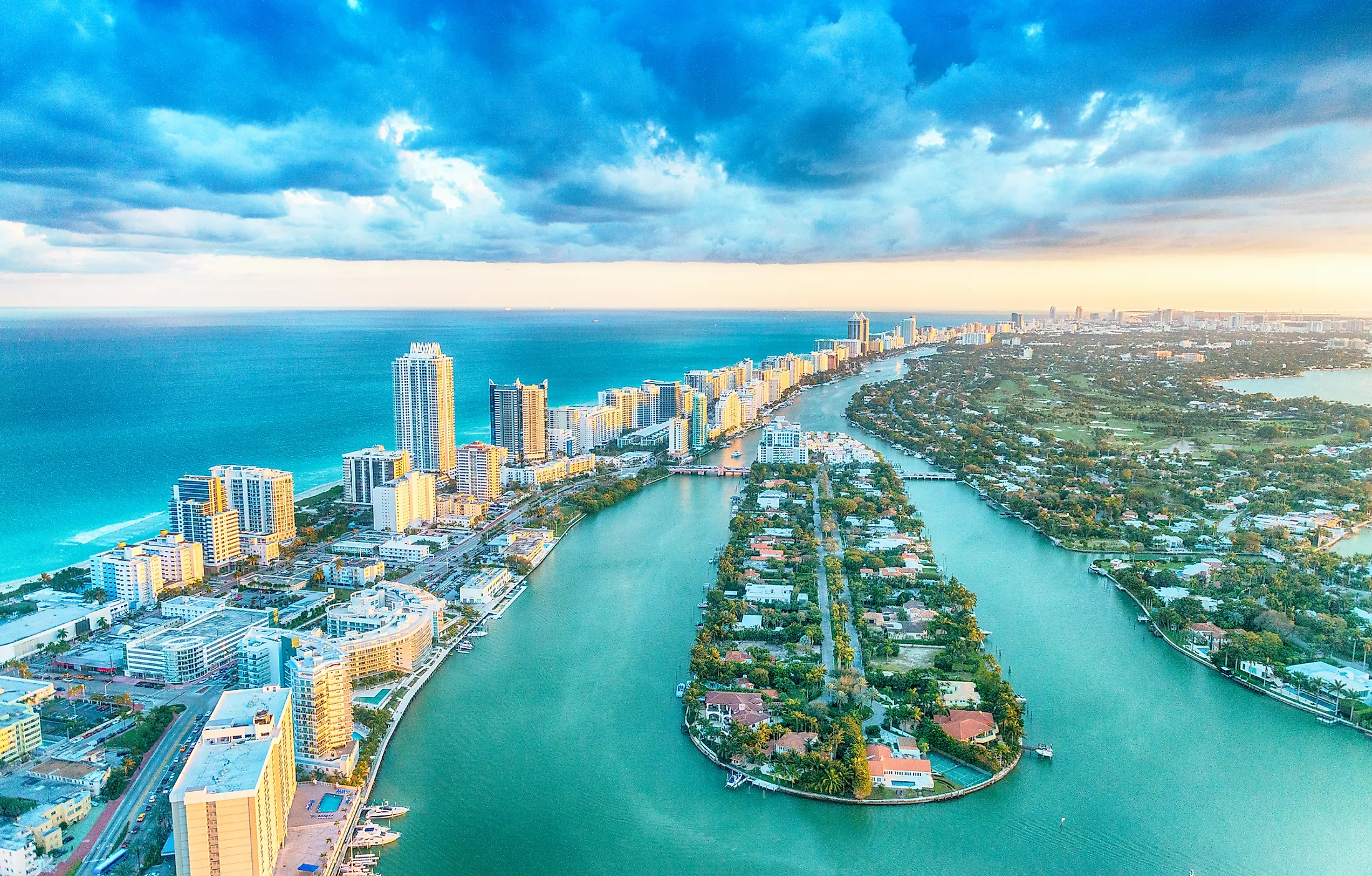
Miami Beach is not just a vacation market. It is also a coastal market with real flood and storm exposure, and that changes how you should evaluate a second home.
The city says 93% of buildings are in a FEMA Special Flood Hazard Area. That means flood insurance is required for federally backed mortgages and recommended for all properties. Miami Beach also participates in the Community Rating System, which gives most NFIP policyholders a 25% discount.
For you as a second-home buyer, that means flood insurance, hurricane planning, and post-storm access should be part of your normal ownership budget. These are not optional add-ons in Miami Beach. They are part of the cost of owning well.
Choose the Right Property Type
Condo or House?
Your best choice usually depends on how often you will use the property and whether you want rental income later. In Miami Beach, the condo versus house decision is really about control, maintenance, and flexibility.
A condo often works well for a lock-and-leave lifestyle. Under Florida law, the association is responsible for common-element maintenance, repair, and replacement, and common expenses can include maintenance, insurance, security, utilities, and other association costs.
The tradeoff is that condo ownership also brings monthly dues, reserve funding obligations, and the possibility of special assessments. A lower-maintenance lifestyle can still come with meaningful recurring costs.
A house gives you more direct control over the property. It can also offer more privacy and fewer building-wide decisions, but it puts more of the flood, storm, and upkeep burden directly on you.
That matters in Miami Beach because the city says short-term rentals under six months and one day are prohibited in all single-family homes and many multifamily buildings in certain zoning districts. In other words, buying a house does not automatically give you more rental freedom.
A simple way to decide
Ask yourself these questions before you narrow your search:
- How many weeks or months each year will you actually use the home?
- Do you want a low-touch property while you are away?
- Is rental income part of your ownership plan?
- Are you comfortable managing storm prep and maintenance yourself?
- Would you rather have more privacy or more shared services?
If you want ease and predictable building support, a condo may be the better fit if the building rules match your goals. If you want more control and are comfortable handling more upkeep, a house may make more sense.

Verify Rental Rules Early
Never Assume You Can Rent It Later
One of the biggest mistakes second-home buyers make in Miami Beach is assuming they can figure out rentals after closing. Here, rental use depends on city rules, zoning, and the building’s own governing documents.
Miami Beach says short-term rentals under six months and one day are prohibited in all single-family homes and many multifamily buildings in certain zoning districts. For approved short-term rentals, the city requires zoning approval, a Business Tax Receipt, a Resort Tax account, and ads that display the city-issued certificate numbers.
For a specific condo unit, the city also requires a recent association letter stating that short-term rental is allowed for that unit. That means rental flexibility is not something you should guess about. It needs to be verified.
Florida condominium resale rules also give buyers important documents, including the declaration, articles of incorporation, bylaws and rules, the most recent annual financial statement and annual budget, the FAQ document, and when applicable, the milestone inspection summary and the most recent structural integrity reserve study.
These documents are your real source of truth. They tell you what is allowed, what is restricted, and what obligations come with ownership.
What to confirm before you buy
Before you move forward on a condo, make sure you review:
- Leasing minimums and rental frequency limits
- Guest policies and occupancy rules
- Current association rules and FAQs
- Whether short-term rental is allowed for that specific unit
- Building financials, reserve information, and recent budgets
- Any pending assessments or known repair schedules
There is another detail out-of-town buyers should understand. Under Florida law, when a unit is leased, the tenant gets the use rights in association property and common elements that would otherwise be available to the owner, unless there is a written waiver. Associations may also prohibit dual usage by the owner and tenant.
That can affect how you picture using the unit while it is rented. If your plan includes both personal use and tenant use, you need to know exactly how the building handles that.

Inspect Older Condos More Carefully
Why Building Age Matters in Miami Beach
As of June 2026, older condos deserve extra diligence. Florida requires milestone inspections for buildings three habitable stories or more at 30 years and every 10 years after that, and local enforcement agencies may require them at 25 years when proximity to salt water or other local conditions justify it.
Florida also requires structural integrity reserve studies for qualifying residential condominium buildings. Older owner-controlled associations were due to complete them by December 31, 2025, with some coordination allowed through December 31, 2026.
In practical terms, if you are buying in an older Miami Beach building, you should treat inspection status and reserve funding as major decision points. A beautiful unit does not tell you what is happening at the building level.
Key due diligence items for older buildings
Ask for confirmation of:
- Milestone inspection status
- Structural integrity reserve study status
- Current reserve funding levels
- Any scheduled repairs or deferred maintenance
- Special assessments already approved or under discussion
This is especially important for second-home buyers who want predictable carrying costs. If a building has major projects ahead, your true ownership cost may look very different from the listing sheet.

Budget Beyond the Mortgage
Know Your Full Carrying Cost
In Miami Beach, the monthly payment is only one part of the story. Your full carrying cost may include insurance, association dues, reserves, assessments, taxes, and local property care.
For condos, Florida law says common expenses can include maintenance, repair, replacement, protection, insurance, and other association duties. Special assessments must be stated in written notice and may be used only for the stated purpose, and an estoppel certificate can itemize additional assessments, special assessments, and other amounts scheduled to come due.
That means your real underwriting question is not just, “What is the HOA fee?” It is also, “Is the building properly funded, and what additional costs may be coming?”
Property taxes also matter. Miami-Dade says the homestead exemption is a permanent-residence benefit that can save up to $50,000 of taxable value, and a home rented on January 1 is not eligible.
For most second-home buyers, the practical starting assumption is full non-homestead property tax treatment. Unless the home later becomes your permanent residence and you file a valid application by the March 1 deadline, you should not budget around homestead savings.
Second-home cost checklist
When you build your budget, include:
- Mortgage payment, if financed
- Flood insurance
- Other property insurance costs
- Condo dues, if applicable
- Reserve obligations and possible special assessments
- Non-homestead property tax treatment
- Hurricane prep and storm-related property care
- Local support for leak checks, access, and maintenance while you are away

Plan for Storms Before You Close
Protect the Property From Day One
Because Miami Beach is a storm-and-flood market, local property care is part of ownership. The city urges owners to have a hurricane plan, know evacuation routes, keep flood insurance information handy, protect property with flood-resistant materials, elevate major appliances where needed, and report flooding that blocks access or damages property.
For an out-of-town owner, this is more than a checklist. It is an operating plan. If you will not be in Miami Beach year-round, you should think through who can help with storm prep, emergency access, and post-storm checks.
A local manager, handyman, or property-care contact can be a practical necessity. That support can help protect your investment and reduce stress when weather events affect access or building operations.

Build a Smarter Buying Strategy
A second home in Miami Beach can be a great lifestyle purchase, a long-term hold, or both. The key is buying with a clear view of the market’s local realities, especially flood exposure, condo compliance, rental restrictions, and true carrying costs.
When you approach the search with those factors in mind, you can make cleaner comparisons and avoid expensive surprises. You are not just buying a view or a floor plan. You are buying into a set of rules, costs, and responsibilities that should match how you actually plan to use the property.
If you want help evaluating condos, reviewing ownership tradeoffs, or finding a Miami Beach second home that fits both your lifestyle and your numbers, The Kotelsky Group can help you buy with more confidence.

FAQs
What should second-home buyers in Miami Beach know about flood risk?
- Miami Beach says 93% of buildings are in a FEMA Special Flood Hazard Area, so flood insurance, hurricane planning, and post-storm access should be treated as normal ownership considerations.
What should buyers review before purchasing an older Miami Beach condo?
- You should verify milestone inspection status, structural integrity reserve study status, reserve funding, and any pending repair schedules or special assessments before making an offer.
What should second-home buyers in Miami Beach know about short-term rental rules?
- Miami Beach says short-term rentals under six months and one day are prohibited in all single-family homes and many multifamily buildings in certain zoning districts, so rental use must be verified through zoning and association documents.
What costs should buyers budget for when buying a second home in Miami Beach?
- In addition to the mortgage, you should budget for flood insurance, other insurance costs, condo dues if applicable, reserve obligations, possible special assessments, non-homestead property taxes, and local property care.
What documents should condo buyers in Miami Beach review before closing?
- Florida condominium resale rules provide documents such as the declaration, bylaws, rules, budget, financial statements, FAQ document, and when applicable, milestone inspection summaries and reserve studies, which help confirm use restrictions and financial obligations.