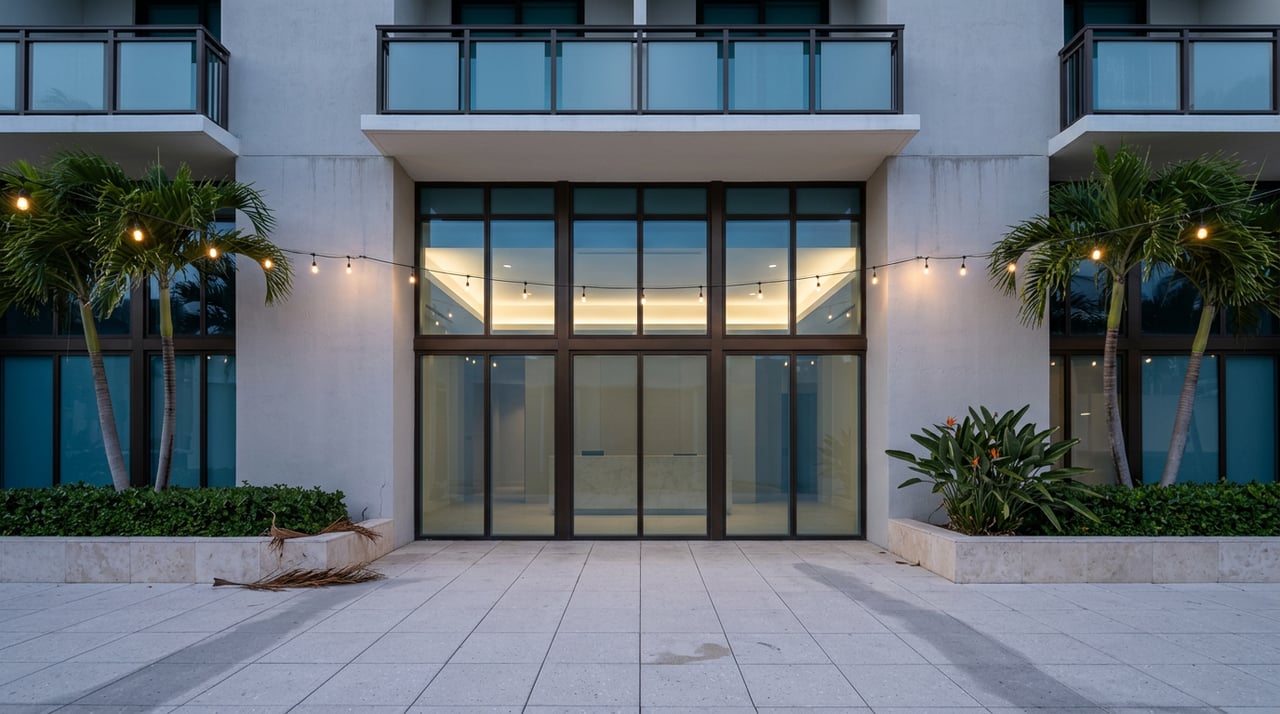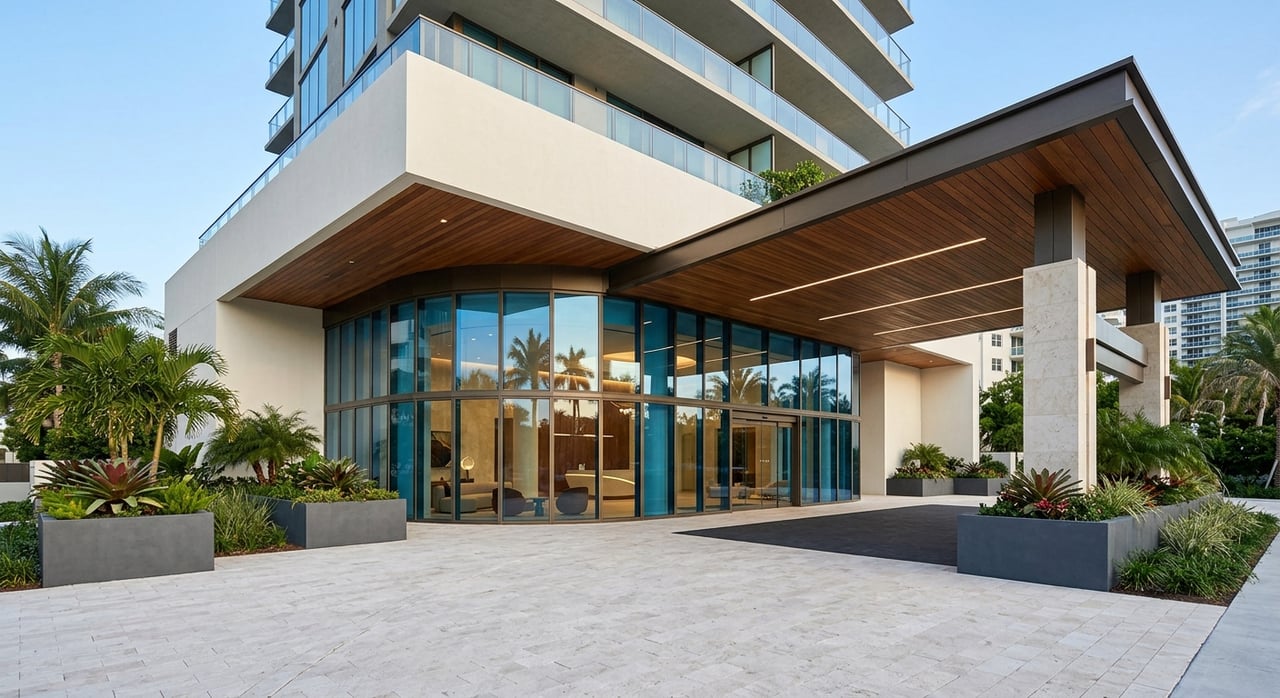
Trying to choose between a downtown condo and a beach condo in Fort Lauderdale? You are not alone. These two areas sit close together, but they offer very different daily experiences, price ranges, and ownership costs. If you are deciding where your money and lifestyle fit best, this guide will help you compare the tradeoffs clearly. Let’s dive in.
Downtown vs beach at a glance
The simplest way to frame it is this: Downtown Fort Lauderdale is the urban convenience play, while the beach is the coastal lifestyle play. Both markets include condos across a wide range of prices, but the reasons buyers choose them are often very different.
Downtown is shaped around offices, shopping, entertainment, transit, and year-round city living. The beach is shaped around shoreline access, ocean views, and a more resort-oriented environment. If you know how you want to spend your average weekday, the right fit usually becomes easier to spot.
/https://tf-cmsv2-smithsonianmag-media.s3.amazonaws.com/filer_public/20/23/20237b39-b24e-438a-b220-2b8c2d2ac0d0/fort_lauderdale_beach_1.png)
Why buyers choose downtown Fort Lauderdale
Downtown tends to appeal to buyers who want a true city-center routine. The city describes Las Olas Boulevard as the centerpiece of fashion, fine dining, and entertainment, and the downtown core also includes government offices, cultural institutions, and higher education campuses.
It is also the more walkable option. Redfin gives Downtown Fort Lauderdale a Walk Score of 90 and notes about 21,104 jobs in the area. If you want to live where you can move between work, dining, errands, and entertainment with less dependence on a car, downtown has a clear advantage.
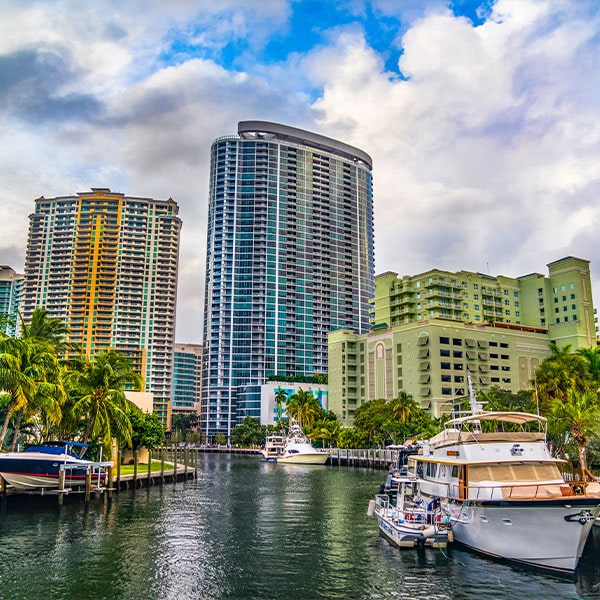
Downtown lifestyle and daily convenience
Living downtown often means easier access to everyday services and activity. You are closer to the urban core, New River areas, Las Olas, and places that stay active beyond the tourist cycle.
Dining is one of the main draws. The city highlights Las Olas as a fine dining and entertainment hub, and current restaurant clusters on or near Las Olas help reinforce that urban feel. If your ideal condo lifestyle includes walking to dinner, grabbing coffee nearby, and staying plugged into city energy, downtown aligns well with that goal.
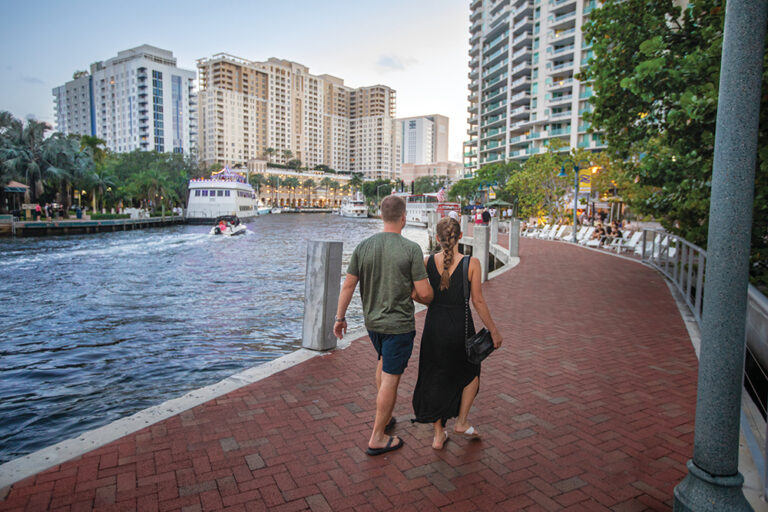
Downtown transit and commuting
Transit is one of downtown’s strongest practical advantages. The Brightline station is located at 101 NW 2nd Avenue, and there are airport connector shuttles to Fort Lauderdale-Hollywood International Airport.
Downtown also offers the free LauderGO! Water Trolley across the New River and the Downtown Link shuttle connecting riders to the Broward County Transit Central Terminal and Flagler Village. For buyers who travel often or commute regularly, that transit network can be a major reason to choose downtown over the beach.

Why buyers choose Fort Lauderdale Beach
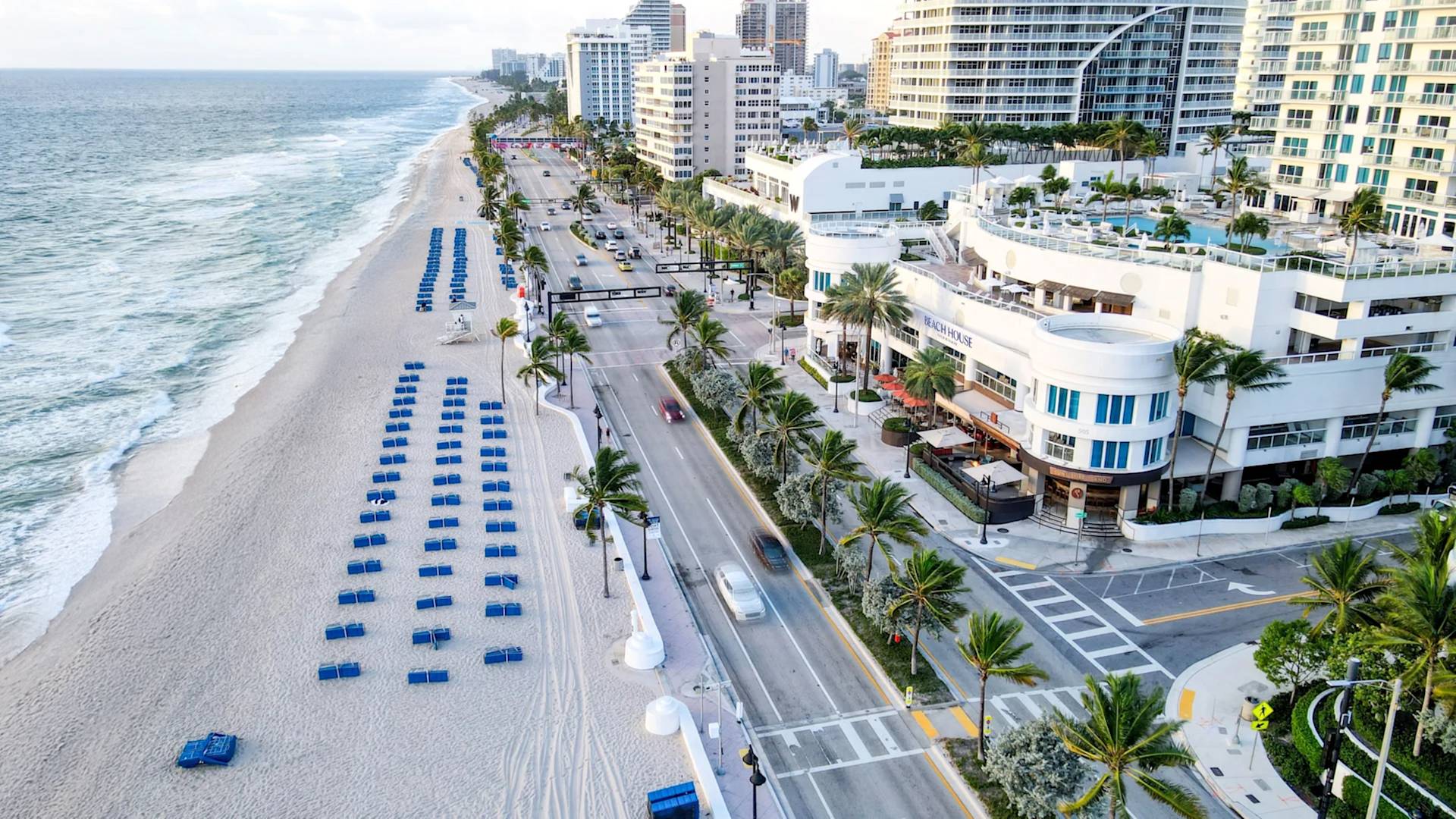
The beach tends to attract buyers who want the water-focused version of condo ownership. This area is less about urban convenience and more about ocean access, views, and a coastal setting.
Fort Lauderdale’s beach stretches for three miles of public shoreline and includes 20 staffed lifeguard towers. The city also offers residents discounted access to certain beach parking options, including Fort Lauderdale Beach Park, North Beach meters, and the Las Olas Garage.
Beach lifestyle and atmosphere
Central Beach feels more like a pedestrian-oriented beach district than a downtown neighborhood. The setting is built around shoreline activity, oceanfront dining, and a resort-style rhythm.
Restaurant options also reflect that difference. Beach dining leans more oceanfront and hotel-adjacent, with a setting that often prioritizes views and atmosphere. If you picture your condo purchase as a place to unwind, entertain, or enjoy seasonal living near the water, the beach often checks those boxes better than downtown.

Beach transit and access
The beach has its own Beach Link shuttle, and Broward County Transit is the city’s main public transportation option to and from Fort Lauderdale Beach. That said, transit convenience is generally not the beach market’s biggest selling point.
If your routine depends on rail access, frequent business travel, or a more connected commute pattern, downtown usually has the edge. If your routine is more centered on leisure, weekends, or second-home use, the beach may still make more sense.
.jpg?width=4898&height=3265&name=CircuitJan27%20(67).jpg)
Condo inventory looks different in each area
Downtown inventory is mostly made up of tower product in and around the New River, Las Olas, and the urban core. Current listings show a broad mix, from entry-level condos to mid-market units to penthouse and luxury product on streets like SE 5th Avenue, New River Drive, and Las Olas Boulevard.
Beach inventory is more mixed depending on the exact pocket. Listings are clustered on Orton Avenue, North Fort Lauderdale Beach Boulevard, Seabreeze Boulevard, and Bayshore Drive, and the area can include both lower-priced condos and high-end oceanfront towers.
Downtown inventory profile
Downtown offers a wider urban spectrum. You may find a smaller one-bedroom at a lower entry price, a mid-range condo with city views, or a luxury residence close to Las Olas.
That range is one reason broad rules about price can be misleading. Downtown is not just the budget alternative. It includes premium product as well, especially in sought-after buildings and upper-floor units.
Beach inventory profile
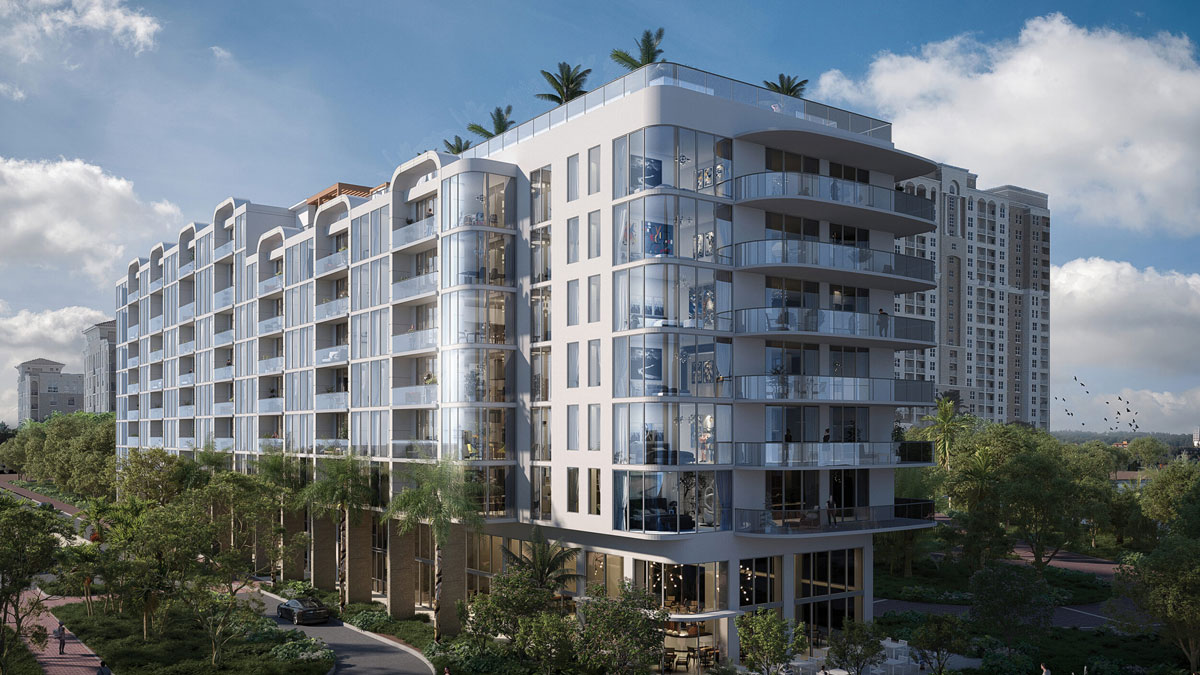
The beach market becomes more expensive as you move closer to true oceanfront product. There may be lower-priced units in the broader beach area, but direct oceanfront condos sit in a different premium tier.
That matters when you compare listings. Two condos may both be labeled “beach area,” yet one may be priced far below another simply because it is not in the same oceanfront segment.

Price ranges: what buyers should expect
Current active-listing snapshots show Downtown Fort Lauderdale condos with a median listing price around $807,000. Redfin shows 86 condos for sale there, with examples ranging from about $285,000 for a one-bedroom to a Las Olas penthouse listed at $3.75 million.
In Broward Realtors’ Q1 2026 townhouse and condo data, ZIP code 33301 posted a median sale price of $585,000 and an average sale price of $795,833. That spread helps show why active listings and closed sales can tell slightly different stories.
For Central Beach, active-listing data shows a median listing price around $999,000. Redfin shows 241 condos for sale, with examples from about $275,000 to roughly $3.5 million.
In Broward Realtors’ Q1 2026 data, ZIP code 33304 posted a median sale price of $749,000 and an average sale price of $1,056,212. A nearby coastal ZIP, 33308, came in much lower, with a median sale price of $405,000, which is another reminder that exact location matters.
Oceanfront is its own category
If you want true oceanfront, expect a more noticeable premium. A 2026 Fort Lauderdale Beach oceanfront condo report showed 185 active oceanfront listings with a median active price of $2,000,000 and a trailing six-month median sale price of $1,725,000.
That does not mean every beach condo is expensive at that level. It does mean the pricing gap becomes much clearer when you compare downtown condos to direct oceanfront inventory rather than to the broader beach area overall.

Which area fits your buyer profile?
For many buyers, the choice comes down to how you plan to use the property. Your commute, travel habits, ownership timeline, and tolerance for ongoing condo costs all matter.
Downtown often fits full-time residents, frequent commuters, and buyers who want walkability, rail access, and a more urban routine. The beach often fits second-home buyers, seasonal residents, and lifestyle-driven buyers who prioritize ocean access and view premiums.
Downtown may be a better fit if you want:
- Walkability and a stronger city-center feel
- Easier access to Brightline and airport connections
- Proximity to offices, services, and downtown activity
- A condo that supports full-time living or frequent in-town use
The beach may be a better fit if you want:
- Ocean access and a more coastal setting
- A second home or seasonal condo lifestyle
- Resort-style surroundings and oceanfront dining
- A property where views and proximity to the water are a top priority

The due diligence matters more than ever
No matter which area you prefer, condo due diligence in Florida deserves extra attention. State rules require milestone inspections and structural integrity reserve studies for residential condo and co-op buildings that are three or more stories high.
The Florida Department of Business and Professional Regulation says those records are part of the official association file and must be made available to purchasers. For you, that means reserve funding, inspection history, and potential special-assessment exposure should be part of every serious condo review.
Beach buyers should watch ownership costs closely
This matters in both submarkets, but it can be especially important in older coastal towers. Insurance pressure, reserve funding needs, and possible special assessments can affect your total cost of ownership in a big way.
Recent market context also supports a more careful approach. Redfin reported that investor purchases of condos in Fort Lauderdale fell 12% year over year in Q1 2025 and tied weaker Florida condo demand to rising HOA fees, insurance costs, and the concentration of waterfront buildings.
A smart way to make the decision
If you are comparing Downtown Fort Lauderdale vs the beach for condo buying, do not start with a simple question like, “Which one is cheaper?” That shortcut often leads buyers in the wrong direction.
A better approach is to compare these five variables:
- Your weekday commute pattern
- How much value you place on views and water access
- Parking and car dependence
- HOA, insurance, and reserve exposure
- Whether you want urban energy or a coastal retreat
When you look at the choice through that lens, the decision usually gets clearer. Downtown wins on transit, walkability, and access to jobs and services. The beach wins on shoreline lifestyle, resort feel, and true oceanfront living.
If you want help weighing the numbers and the lifestyle tradeoffs, working with a local team that understands both luxury condo buying and practical deal analysis can save you time and reduce surprises.
Whether you are looking for a full-time downtown residence, a beachside second home, or a condo with long-term investment potential, The Kotelsky Group can help you compare the right opportunities with a clear local strategy.

FAQs
What is the main difference between Downtown Fort Lauderdale and Fort Lauderdale Beach for condo buyers?
- Downtown Fort Lauderdale is better known for walkability, transit access, jobs, and city living, while Fort Lauderdale Beach is more focused on ocean access, views, and a coastal lifestyle.
Is Downtown Fort Lauderdale cheaper than Fort Lauderdale Beach for condos?
- Not always. Downtown had a lower median active listing price than Central Beach in current snapshots, but both areas include lower-priced units and luxury listings, and true oceanfront beach condos usually command a stronger premium.
Is Downtown Fort Lauderdale better for commuting than Fort Lauderdale Beach?
- Yes. Downtown has the Brightline station, airport connector options, the LauderGO! Water Trolley, and the Downtown Link shuttle, which gives it a stronger transit and commuting profile.
What condo due diligence should buyers review in Fort Lauderdale?
- You should review association reserves, milestone inspection records, structural integrity reserve study information, and any risk of special assessments before moving forward on a condo purchase.
Who typically buys condos at Fort Lauderdale Beach?
- The beach often appeals to second-home buyers, seasonal residents, and buyers who prioritize oceanfront living, resort-style surroundings, and view-driven value.
Who typically buys condos in Downtown Fort Lauderdale?
- Downtown often appeals to full-time residents, frequent commuters, and buyers who want a walkable urban setting with easier access to dining, services, and transportation.