If you own, or plan to buy, a condo in Sunny Isles Beach, rental income can look straightforward at first glance. In reality, your best strategy often comes down to one key line: whether the stay is more than six months or not. Once you understand how that line affects licensing, taxes, condo rules, and day-to-day operations, you can choose a plan that fits your goals with a lot more confidence. Let’s dive in.
Why the six-month threshold matters
In Sunny Isles Beach, condominium and apartment rentals of six months or less are treated as short-term vacation rentals. That means a seasonal rental, a furnished mid-term stay, or a remote-worker lease under that threshold generally falls into the same regulatory bucket.
For those shorter stays, the city requires a Short-Term Vacation Rental License and a Local Business Tax Receipt. Owners also need state and county tax registrations, and the application process requires items such as liability insurance, a rental agreement, parking information, a 24/7 responsible party, and a copy of the condominium declaration, bylaws, or association consent.
This is why the rental conversation in Sunny Isles Beach is not simply about demand or rental rate. It is also about whether your condo can legally and practically operate like a lodging-style asset, or whether it makes more sense as a traditional lease property.
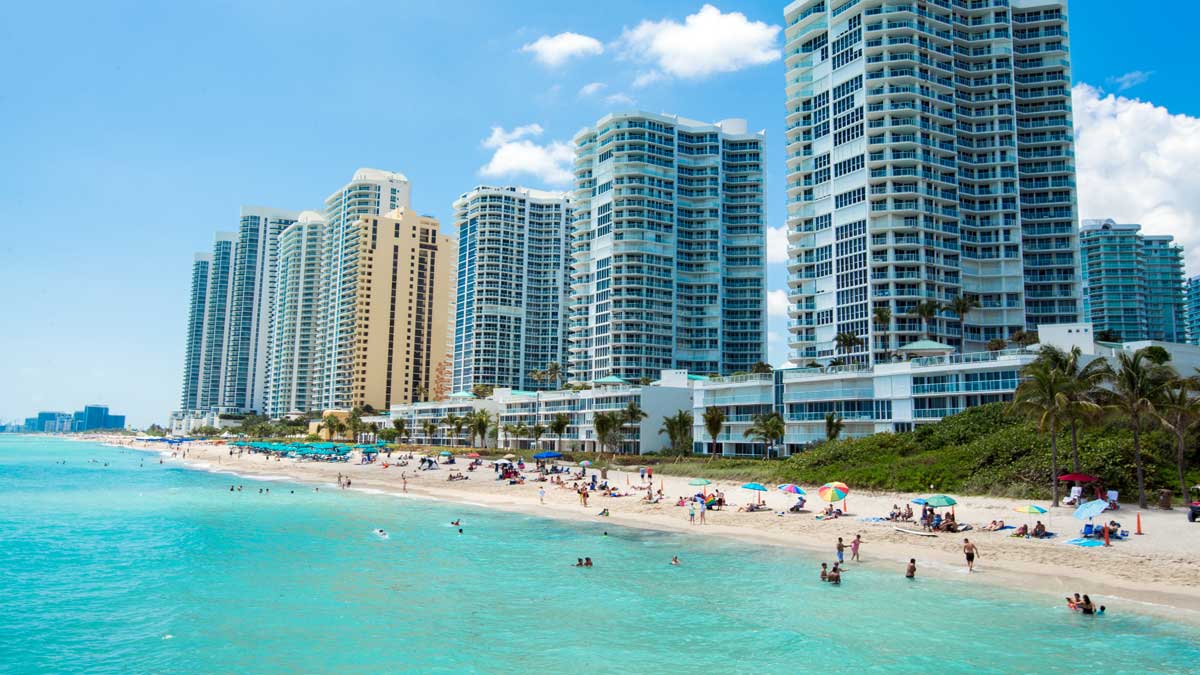
Compare the three main rental paths
Seasonal rentals
Seasonal leases can sound like a middle ground, but in Sunny Isles Beach they usually function as short-term rentals if they are six months or less. That means city licensing, tax registration, occupancy compliance, and ongoing operational oversight all come with the strategy.
The city also requires a responsible party to be available 24 hours a day, 7 days a week, and able to respond in person within one hour. For many owners, that makes seasonal renting most realistic when the unit is furnished and supported by a local management plan.
Annual leases
An annual tenant is often the simplest route from a compliance standpoint. Under Florida law, a bona fide written lease for continuous residence longer than six months is not subject to the state transient-rental tax in the same way as shorter stays.
That does not mean condo rules go away. Your building may still require tenant approval, minimum lease terms, screening, or other leasing procedures, so the governing documents still shape what is possible.
Remote-worker stays
Remote-worker demand has made furnished mid-term rentals more popular, but the six-month threshold still controls in Sunny Isles Beach. If the stay is six months or less, the city treats it like a short-term condo rental.
In practical terms, a remote-worker strategy only becomes meaningfully different when the lease is longer than six months. At that point, the unit can still be furnished and move-in ready, but it may avoid the short-term regulatory framework that applies to shorter stays.
![How to Rent Out Your House Like a Pro In 12 Steps [2026] | Avail](https://www.avail.co/wp-content/uploads/2021/08/8-tips-for-renting-out-a-house-for-the-first-time-min.jpg)
What each strategy really means
Here is a simple way to frame the decision:
| Strategy | Typical Lease Length | Regulatory Burden | Flexibility | Operational Intensity |
|---|---|---|---|---|
| Seasonal rental | 6 months or less | High | High | High |
| Annual lease | More than 6 months | Lower | Lower | Lower |
| Remote-worker rental | Varies | High if 6 months or less, lower if over 6 months | Moderate | Moderate to high |
The shorter the stay, the more your condo behaves like a lodging business. That usually means more turnover, more coordination, more wear on the unit, and more need for furnishing, cleaning, and replacement budgeting.

Start with condo documents, not marketing
Before you choose any rental strategy, read the condo declaration, bylaws, house rules, and amendments. In Sunny Isles Beach, this is not just a best practice. It is a critical first step.
The city will not issue a short-term rental license if the building prohibits short-term rentals. The application also requires a copy of the condominium documents or association consent, so your building’s rules directly affect whether a shorter-term strategy is even available.
You should confirm:
- Minimum lease term
- Rental frequency limits
- Tenant approval requirements
- Occupancy limits
- Parking rules
- Whether short-term rentals are prohibited
This review matters even more if the building has amended its rental rules over time. Florida Statutes section 718.110(13) provides that rental bans, rental duration limits, or frequency limits adopted by amendment may apply only to owners who consented to the amendment and to buyers who acquired after the amendment became effective.
That means the exact date you buy, along with the amendment history, can change your rental rights. If you are buying with an income plan in mind, title review and condo-document review should happen before closing, not after.

Understand the operating rules for short stays
If you plan to rent for six months or less, your operational setup matters almost as much as the legal setup. Sunny Isles Beach requires a responsible party who can respond around the clock and reach the property within one hour.
For out-of-state owners or part-time residents, this often means having a reliable local manager or designated contact in place. Without that support, short-term renting can become difficult to manage even when the building allows it.
Occupancy rules also matter. The city cap is two persons per bedroom plus two additional persons per property, up to 12 people, but a more restrictive condo rule controls if the building sets a lower number.
There is also a clear limit on who can rent the unit. The city states that secondary subletting of vacation rentals is not allowed if the renter is not the owner.

Model the full cost stack, not just rent
A rental strategy should be measured by net return, not just headline income. In Sunny Isles Beach, that means building your numbers around both fixed costs and strategy-specific costs.
For short-term or shorter furnished stays, your model should account for:
- HOA dues
- Special assessments
- Insurance
- Utilities
- Internet
- Furnishings
- Cleaning
- Repairs and replacement items
- Management costs
- Platform or booking-related fees
- Vacancy
The city currently lists a $300 vacation rental license fee, and short-term rentals also come with county and state registration requirements. Those steps create administrative work before the first guest ever checks in.
Tax treatment is another major difference. Florida imposes a 6% transient-rental tax on condominium rentals and similar accommodations unless the arrangement is a bona fide written lease for continuous residence longer than six months. Miami-Dade also requires rentals or leases of six months or less to have a Tourist Tax Account to collect and remit convention and tourist development taxes.
That layered compliance can materially change the return on a shorter-term strategy. A high gross rent may still underperform if turnover, taxes, and management costs are not built into the plan from day one.

Watch the homestead issue carefully
If the condo is, or may become, your homestead property, rental timing can affect your property tax position. Miami-Dade’s Property Appraiser states that a home rented on January 1 is not eligible for homestead exemption that year.
The same flyer notes that periodic rentals of more than 30 days in two consecutive years can also make an owner ineligible. It also warns that failure to report rental use can trigger retroactive taxes, a 50% penalty, and 15% annual interest.
For owners who may later move into the unit as a primary residence, this is not a small detail. It should be part of your rental strategy from the beginning, especially if you are trying to balance personal use, income, and long-term tax planning.

How to choose the right strategy
The best rental plan depends on what you value most.
If you want maximum personal flexibility, a shorter-term approach may sound appealing, but only if the building allows it and you are prepared for licensing, taxes, furnishing, guest turnover, and 24/7 local response requirements.
If you want simpler operations and fewer moving parts, a lease longer than six months is often cleaner. You may give up some flexibility, but you can reduce operational intensity and avoid parts of the short-term tax framework.
If you want a furnished rental approach for working professionals, the key question is still lease length. In Sunny Isles Beach, a remote-worker strategy under six months usually behaves like a short-term rental from a compliance standpoint.
In other words, the real decision is less about labels like seasonal or mid-term and more about whether your condo will function as a hospitality-style asset or a traditional leased residence.

A smart Sunny Isles Beach checklist
Before you buy, lease, or market a condo as a rental, make sure you can answer these questions clearly:
- Does the condo association allow the rental strategy you want?
- What is the building’s minimum lease term?
- Are there rental caps, approval steps, or waiting periods?
- If renting for six months or less, can you meet the city licensing requirements?
- Who will serve as the 24/7 responsible party within one hour of the unit?
- Have you modeled taxes, insurance, furnishing, vacancy, and management costs?
- Could the rental plan affect current or future homestead status?
- Have you reviewed amendment history if the building changed rental rules?
A strong rental strategy in Sunny Isles Beach starts with due diligence, not assumptions. The right condo can be an excellent fit for your goals, but only when the documents, timing, and operating plan all line up.
Whether you are buying a coastal condo for lifestyle, income, or both, the smartest move is to evaluate the building first and the rental idea second. If you want help weighing condo rules, investment potential, and leasing strategy in Sunny Isles Beach, connect with The Kotelsky Group.

FAQs
What counts as a short-term condo rental in Sunny Isles Beach?
- In Sunny Isles Beach, condominium and apartment rentals of six months or less are treated as short-term vacation rentals.
Does a Sunny Isles Beach condo need a license for seasonal rentals?
- Yes. If the seasonal rental is six months or less, the city requires a Short-Term Vacation Rental License and a Local Business Tax Receipt, along with state and county tax registrations.
Can a condo association ban short-term rentals in Sunny Isles Beach?
- Yes. The city will not issue a short-term rental license if the condominium building prohibits short-term rentals.
Are remote-worker rentals treated differently in Sunny Isles Beach?
- Usually not if the stay is six months or less. Those stays are still treated as short-term condo rentals under the city’s framework.
What is the responsible party rule for Sunny Isles Beach vacation rentals?
- The city requires a responsible party who is available 24/7 and able to respond in person within one hour.
How do taxes differ for Sunny Isles Beach condo rental strategies?
- Rentals of six months or less generally fall into Florida’s transient-rental tax framework, and Miami-Dade requires a Tourist Tax Account for those shorter rentals. A bona fide written lease for continuous residence longer than six months is treated differently.
Can renting a Miami-Dade homestead condo affect property taxes?
- Yes. Miami-Dade’s Property Appraiser says rental activity can affect homestead eligibility, including if the home is rented on January 1 or rented periodically under certain conditions across consecutive years.