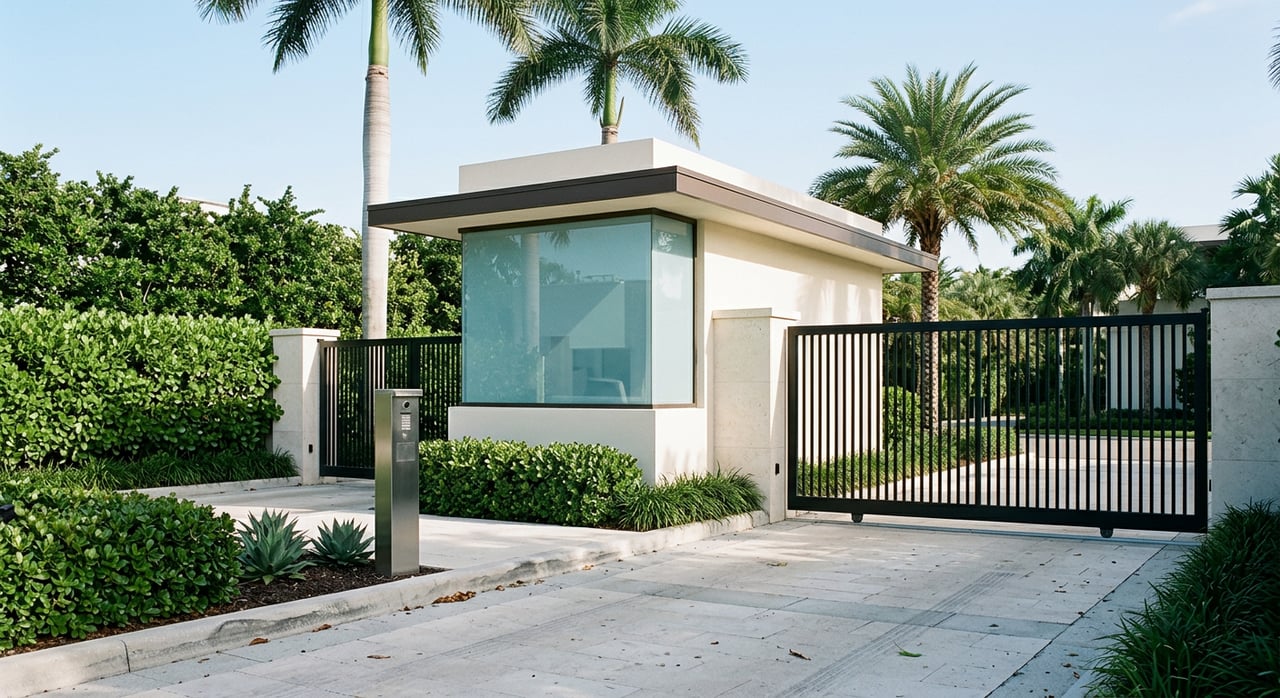
Looking at gated living in Palm Beach Gardens but not sure where to start? With options that range from private club communities to simple guard-gated neighborhoods, the real differences show up in HOA rules, fees, and how each community is managed. You want privacy and amenities, but you also want clarity on costs and flexibility. This guide gives you a clear, practical overview of community types, HOA basics, CDD assessments, approvals, rental rules, and a buyer checklist tailored to Palm Beach Gardens. Let’s dive in.
Gated community types in Palm Beach Gardens
Palm Beach Gardens offers a wide mix of gated options. You will see private golf and country-club communities, large master-planned developments with layered associations, and non-club gated neighborhoods focused on privacy. Well-known examples include PGA National, Mirasol, Frenchman’s Reserve, Old Palm, and many smaller gated enclaves.
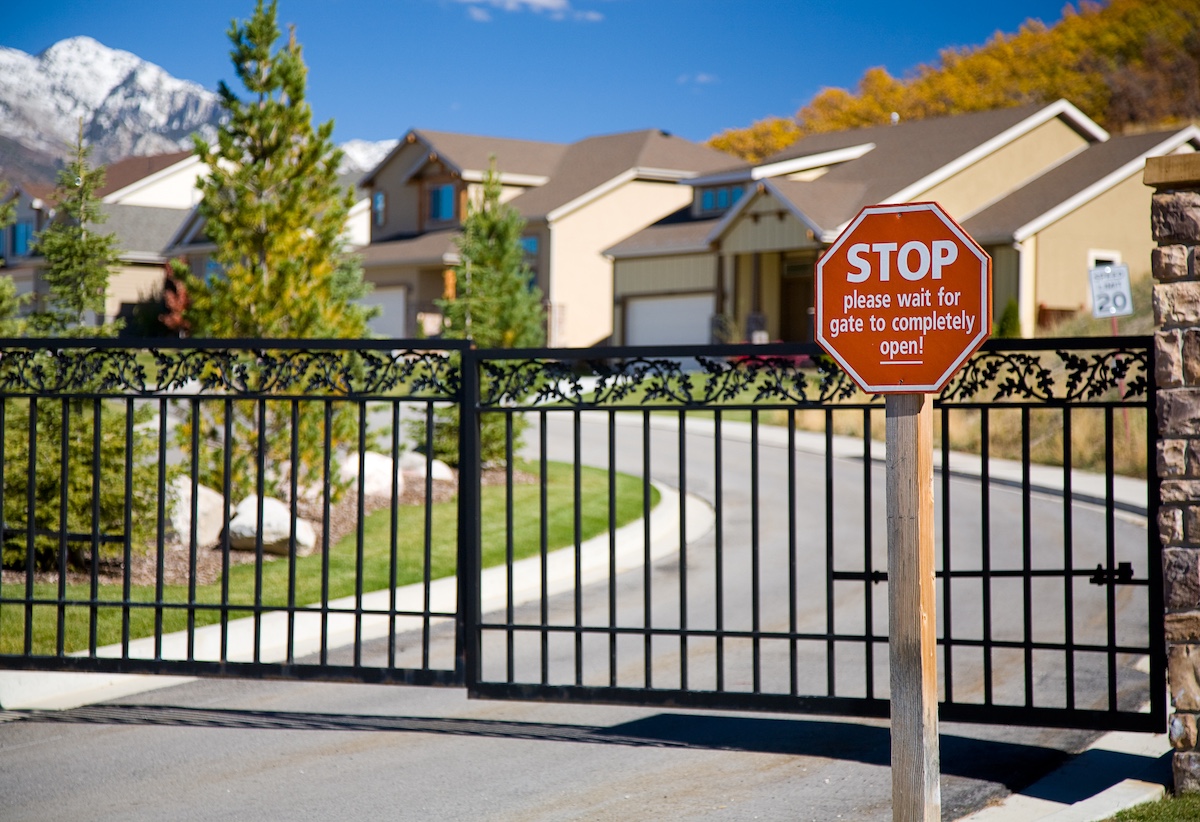
Country-club and private golf
In a club community, you typically pay HOA dues plus separate club costs. Models vary between equity and non-equity membership, and terms can impact your resale and ongoing expenses. For a feel of amenities and membership structures, see the Frenchman’s Reserve club overview and the Country Club at Mirasol overview in industry publications. Verify all current costs and memberships directly with the club you choose because they change over time.
- Explore a representative club profile at the Frenchman’s Reserve club overview: CountryClubMag Frenchman’s Reserve.
- Review another nearby example at The Country Club at Mirasol.
- For a plain-language explanation of equity versus non-equity models, see this overview: Equity vs non-equity clubs explained.
Golf-resort and master-planned
Some large developments include multiple neighborhoods under a master association. You might see a master Property Owners Association plus sub-associations for each village or condo. In a few cases, a Community Development District funds major infrastructure. This layered setup can create several lines of assessments, so mapping who charges for what is key.
Non-club gated neighborhoods
These neighborhoods are gated for privacy and security. Amenities are lighter and usually include a manned or automated gate, landscaping, and sometimes a small pool or park. Dues are often lower than in club communities, but the trade-off is a leaner amenity set.

How HOAs and CDDs work
HOA basics under Florida law
Most Palm Beach Gardens gated neighborhoods are governed by a homeowners’ association. Florida’s HOA statute sets rules for budgets, official records, meetings, and member access. Before you buy, know your rights and the association’s duties under Chapter 720 of the Florida Statutes.
What HOA dues typically include
Regular assessments fund security, gates, private roads, landscaping, streetlights, and common amenities like a clubhouse, pool, fitness room, or tennis and pickleball courts. Condo associations typically maintain and insure building exteriors, while single-family HOAs rarely do. Always check the governing documents and budget to see exactly what your dues cover.
What is a CDD and why it matters
A Community Development District is a public special-purpose unit that finances infrastructure like roads, stormwater, and major amenities. CDD assessments are repaid through non-ad valorem charges on your tax bill and are separate from HOA dues. Learn the basics from Florida’s Chapter 190 and review a local example at the Old Palm CDD. Ask the seller or title company for the most recent Palm Beach County tax bill and confirm any CDD assessments in writing.

Fees, assessments, and reserves
Regular dues and special assessments
Recurring assessments can be monthly, quarterly, or annual. They cover operations, insurance for common areas, management, and reserves. Associations can also levy special assessments for capital projects if reserves fall short. Florida’s statute explains these budget items and reporting rules in Section 720.303.
One-time transfer and capital contribution fees
Many associations charge a one-time fee when a property changes hands. Florida requires that the association’s estoppel certificate disclose transfer and capital contribution fees, along with any unpaid amounts. See the state’s estoppel rules in Section 720.30851.
Reserves and financial reports
Florida law requires associations to prepare budgets and, if reserves are established, to calculate them using remaining useful life and replacement cost for each reserve item. Depending on association revenue, compiled, reviewed, or audited financial statements may be required. Review the latest budget, financial report, and any reserve study during due diligence. The details are in Section 720.303.

Transfers, approvals, and rentals
Board approvals and timing
Some communities require board approval to transfer a home. That can include an application, background and credit checks, proof of funds or financing, and interviews. Whether approval is required will appear on the estoppel certificate, so plan your closing timeline accordingly. The disclosure framework is part of Section 720.30851.

Estoppels: what, when, and how
An estoppel certificate is the association’s binding statement of assessments owed and transfer requirements. Florida requires delivery within 10 business days of a written or electronic request. Estoppels also flag open violations, special assessments, and any right of first refusal. Order the estoppel as soon as your contract is executed to avoid surprises. See the rules in Section 720.30851.

Rental rules and short-term taxes
Florida limits how new rental restrictions can apply to current owners. In general, amendments after July 1, 2021 that restrict rentals apply to buyers who take title after the amendment date, with narrow exceptions. Always confirm current rental rules in the governing documents and recent meeting minutes under Chapter 720. If you plan short-term rentals, Palm Beach County requires registration and monthly reporting for the 6 percent Tourist Development Tax. Learn more from the county’s page on the Tourist Development Tax.

Due diligence checklist for buyers
Request these documents before you waive contingencies:
- Estoppel certificate or resale package
- Declaration, Articles, Bylaws, and current Rules and Regulations
- Current budget, most recent financials, and any reserve study
- Board meeting minutes for the last 12 to 24 months
- Master insurance declarations for the association
- Management agreement and major vendor contracts, including security and landscaping
- Disclosures about any planned special assessments or capital projects
- Litigation disclosures and any governing changes in progress
- Club membership requirements and current fee schedule, if applicable
- Most recent Palm Beach County tax bill to check for CDD assessments
What to look for:
- Low or waived reserves, combined with notes about deferred maintenance
- A pattern of recent special assessments or an approved project that has not yet been billed
- Unclear club transfer rules, large initiation fees, or mandatory membership that was not highlighted in the listing
- Multiple layers of associations or a CDD without a clear map of who charges for what
Smart questions to ask the listing agent or seller:
- Are there any approved but not yet billed special assessments?
- Is board approval required for transfers, and how long does it take?
- Are there rental limits, minimum lease terms, or owner-occupancy periods?
- What exactly does the HOA fee include, and what is the reserve balance?
- Does the property fall within a CDD? If yes, what is the annual assessment and remaining bond term?

Compare community types: quick framework
Use this lens to pick the right fit:
- Cost profile. In club communities, factor HOA dues plus club initiation and recurring dues. In non-club neighborhoods, you typically see only HOA dues and, in some cases, a CDD.
- Governance complexity. Master associations, sub-associations, clubs, and a CDD can mean multiple assessments and overlapping rules. Get a written breakdown.
- Amenity value. Rate the amenities you will actually use, not just the list.
- Rental and investor policies. Confirm lease terms, rental caps, and any wait periods. Check county short-term tax rules if applicable.
- Financing and resale. Lenders may review association financials, reserves, litigation, and owner-occupancy ratios more closely in condo settings. Club initiation costs are usually separate from the mortgage.
- CDD exposure. Identify any CDD, how much it costs annually, and how long it runs.

Timeline tips and red flags
- Order the estoppel immediately after contract execution. Florida allows 10 business days for delivery, and estoppels are only valid for a set period. Build buffer time.
- Allow for board approvals. If required, submit a complete application package early and track deadlines.
- Coordinate with your lender. If you are buying a condo, expect a condo review and questions on reserves, insurance, and litigation.
Watch for these red flags:
- Reserves that look thin relative to upcoming repairs
- A history of frequent or recent special assessments
- Mandatory club membership with unclear transfer fees or high initiation costs
- Multiple layers of associations or a CDD without clear disclosure of each charge

Ready to tour communities and run the numbers?
If you want privacy and resort-style living, Palm Beach Gardens delivers. The key is matching your lifestyle to the right governance and fee structure so you avoid surprises at closing. Whether you are eyeing a club community or a low-dues gated neighborhood, our team can help you evaluate budgets, estoppels, and tax bills while you focus on the homes you love. For concierge guidance and investor-grade clarity, connect with The Kotelsky Group.

FAQs
What should I know about HOAs in Palm Beach Gardens gated communities?
- Most gated neighborhoods use HOAs governed by Florida’s Chapter 720, which outlines budgets, records access, reserves, approvals, and estoppel rules.
How do CDD assessments show up on my bill in Palm Beach County?
- If a CDD applies, you will see separate non-ad valorem lines on your county tax bill that are distinct from HOA dues. Request the latest tax bill before you buy.
Are club memberships mandatory in some Palm Beach Gardens communities?
- Yes, some private golf and country-club neighborhoods require membership. Confirm initiation fees, dues, and transfer rules with the specific club and review all documents.
How long does an HOA estoppel take in Florida and who gets it?
- By law, the association must deliver the estoppel within 10 business days of a written or electronic request. Your title company or agent typically orders it early in escrow.
What rental restrictions are common and can they change after I buy?
- Minimum lease terms and limits on rental frequency are common. Florida limits how new rental restrictions apply to current owners, so check the governing documents and recent amendments.
What documents should I review before buying in a gated community?
- At a minimum, review the estoppel, Declaration and Bylaws, rules, budget, financials, reserve study, board minutes, insurance, any club disclosures, and the latest county tax bill for CDD items.