
Trying to compare small multifamily deals in Pompano Beach but not sure what a cap rate really tells you? You are not alone. Investors use cap rates every day, yet many listings calculate them differently or skip key expenses. In this guide, you will learn exactly how to compute cap rates, what drives them locally in Broward County, and how to use them alongside other metrics to make confident offers. Let’s dive in.
What a cap rate is
Cap rate is a simple way to value an income property based on its income today. You calculate it by dividing Net Operating Income by the purchase price or current market value.
- Cap rate = NOI ÷ Price
- NOI is income after vacancy and operating expenses, but before mortgage payments, capital expenditures, depreciation, and income taxes
- Use cap rate to compare properties on an unlevered basis
A lower cap rate means buyers are paying a higher price for each dollar of NOI, which often signals lower perceived risk or stronger growth expectations. A higher cap rate means the market wants more return per dollar of income, which can reflect higher risk or heavier future costs.
Variations you will see
- Market cap rate: current NOI divided by current price
- Stabilized cap rate: uses a normalized NOI after lease-up and removing one-time items
- Gross cap rate: gross rent divided by price, which ignores expenses and is less useful
- Net cap rate: the standard method using NOI divided by price
What cap rate does not tell you
Cap rate does not measure cash flow with financing, and it does not capture tax benefits, renovation plans, or appreciation potential. It is also very sensitive to NOI assumptions. Small changes to vacancy, insurance, or property taxes can move the cap rate quickly.
How to calculate it step by step
- Estimate gross scheduled rent for all units at market or in-place levels.
- Subtract vacancy and credit loss to get Effective Gross Income.
- Subtract operating expenses you expect to pay as the owner to get NOI.
- Divide NOI by purchase price to get cap rate.
Operating expenses typically include property taxes, insurance, owner-paid utilities, repairs and maintenance, management, landscaping, pest control, advertising, legal and accounting, and HOA if applicable. You can include a reasonable reserve for future replacements to normalize NOI for older buildings. Do not include mortgage payments in NOI.
A quick Pompano Beach example
Assume a 6-unit building:
- Gross scheduled rent: $180,000 per year
- Vacancy and credit loss at 5 percent: $9,000
- Effective Gross Income: $171,000
- Operating expenses at 40 percent of EGI: $68,400
- NOI: $102,600
- Price: $1,500,000
- Cap rate: $102,600 ÷ $1,500,000 = 6.84 percent
Small shifts matter. If insurance or taxes rise by $10,000, NOI drops to $92,600 and the cap rate falls to 6.17 percent at the same price.

Local drivers in Pompano Beach
Pompano Beach sits within Broward County and the broader South Florida metro. Investor demand is shaped by coastal access, proximity to Fort Lauderdale and Miami job centers, tourism, and steady in-migration that supports rental demand.
- Demand and demographics: Population growth and job access support absorption and rent growth over time
- Supply: New construction near the beach, transit, or redevelopment corridors can increase competition, but new product can also push rent benchmarks higher
- Vacancy: Lower vacancy supports higher effective rents and NOI, which can compress cap rates

Climate and insurance realities
Flood and hurricane risk are material factors in South Florida. Properties within FEMA flood zones may require flood insurance, which increases operating expenses and affects lender underwriting. Wind coverage and roof age also matter. Buyers often price in future capital needs for roofs, windows, and mechanical systems. These risks tend to push cap rates higher unless the property produces premium rents that offset costs.

Local taxes and fees
Property taxes are a large expense line in Broward County. Plan for reassessment risk after closing. Utility, trash, and wastewater fees vary by municipality and can change your expense ratio. For small multifamily, a 1 to 2 point swing in expense ratio can shift the cap rate meaningfully.
Micro-location inside Pompano Beach
Cap rates vary by micro-location, building age, and unit mix:
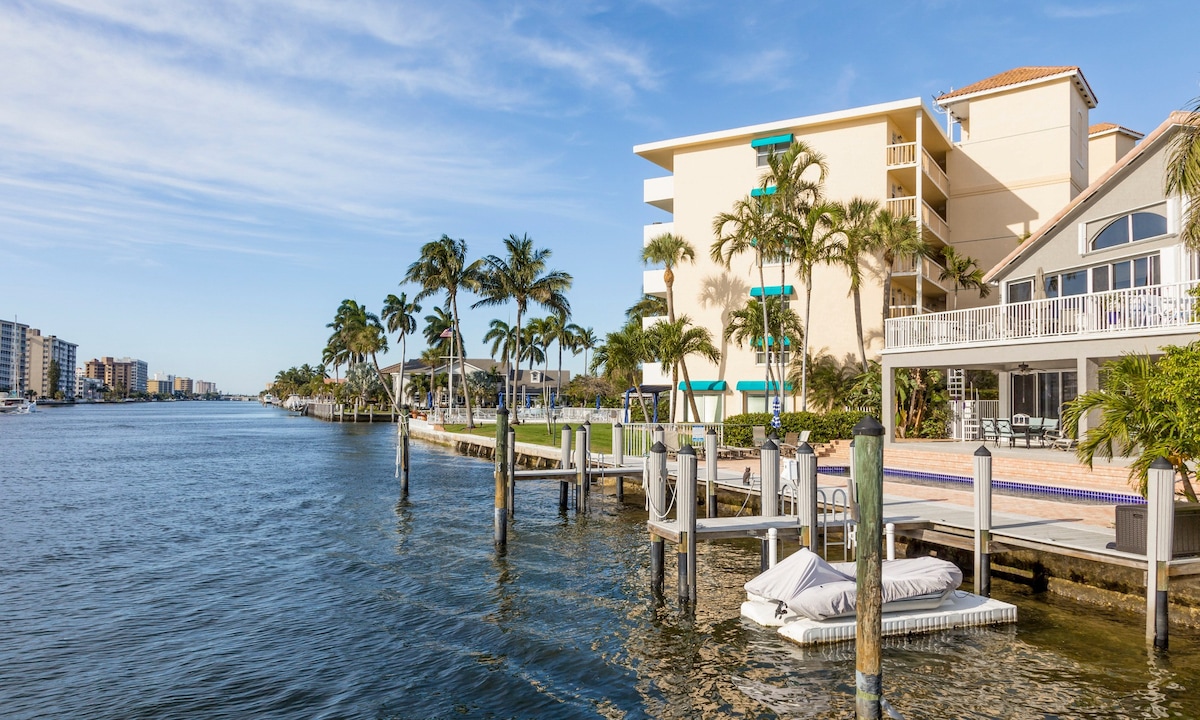
- Beachfront or marina-proximate assets often trade at lower cap rates due to strong demand and investor competition
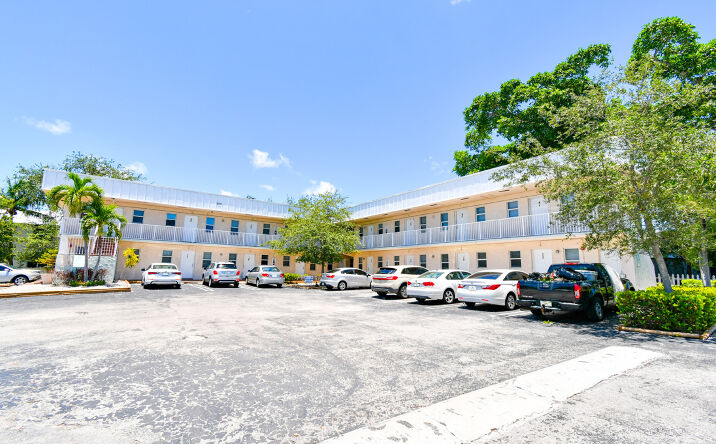
- Inland buildings, or assets with higher flood exposure or deferred maintenance, often trade at higher cap rates
- Unit mix and parking availability influence rent durability and turnover costs
Small multifamily specifics that move cap rates
Small multifamily properties have different expense dynamics than larger complexes.
- Expense variability: Per-unit costs for maintenance and turnover are often higher without scale
- Management: Self-management reduces reported expenses, but third-party management at 6 to 8 percent should be modeled for true comparability
- Reserves: Older buildings need consistent reserves for roofs, HVAC, and systems; excluding these can overstate NOI and understate the true cap rate
Financing changes the buyer pool
- 2 to 4 units often qualify for residential financing, which can broaden the buyer pool and sometimes compress cap rates
- 5 or more units are usually financed with commercial loans that focus on debt service coverage and NOI, which can influence pricing and cap rates

How to estimate a local cap-rate range
You will get the best result by using recent local comps and a consistent method.
- Gather sales comps for 2 to 10 unit properties in Pompano Beach with similar age, condition, and location.
- Compute the cap rate for each comp using the reported or reconstructed NOI. Be clear about whether reserves are included.
- Adjust for differences in unit mix, vacancy, condition, flood exposure, and notable capital items.
- Cross-check your observed range against reputable South Florida multifamily market reports.
- Express your conclusion as a range, not a single number, and place your subject within that range based on its attributes.

Two Pompano scenarios, side by side
Consider two hypothetical properties to see why cap rates differ.
A) 4-plex near the beach
- Gross rent: $168,000
- Vacancy at 4 percent: $6,720
- Effective Gross Income: $161,280
- Expenses at 38 percent of EGI: $61,286
- NOI: $99,994
- Price: $1,900,000
- Estimated cap rate: about 5.26 percent
Why it trades tighter: Strong tenant demand, walkability to amenities, and competitive buyer interest support a lower cap rate. Insurance costs may be higher, but premium rents and low vacancy help NOI.

B) 8-unit inland building
- Gross rent: $192,000
- Vacancy at 6 percent: $11,520
- Effective Gross Income: $180,480
- Expenses at 45 percent of EGI: $81,216
- NOI: $99,264
- Price: $1,500,000
- Estimated cap rate: about 6.62 percent
Why it trades wider: Higher expected vacancy and owner-paid utilities increase the expense ratio. Insurance may be lower if out of certain flood zones, but the market still seeks a higher return to account for turnover and condition.
These are illustrative. Use current comps, confirm actual expenses, and model reserves.
What to request from sellers or brokers
Gather the right documents before you rely on a quoted cap rate.
- Current rent roll with lease terms, deposits, and expiration dates
- Last 12 months of operating statements and utility bills
- Most recent property tax bill and assessment details
- Insurance policy and premium history, including wind and flood
- Vacancy history, turnover costs, and maintenance logs
- Any HOA documents and known assessments
Then verify. Check county records for taxes and permits, confirm flood zone status, and get insurance quotes based on the building’s age, roof, and mitigation features.

Common pitfalls to avoid
- Relying on gross cap rate that ignores expenses
- Using seller numbers without verifying taxes, insurance, and utilities
- Excluding replacement reserves for older systems and roofs
- Forgetting post-closing tax reassessment risk in Broward County
- Mixing self-management assumptions with third-party managed comps

Cap rate, cash-on-cash, and IRR
Use cap rate to compare unlevered value across properties. Use cash-on-cash return and IRR to evaluate your specific leverage, timeline, and renovation plan. A property at a lower cap can still be the better deal if you can raise rents, reduce expenses, or structure strong financing.
Next steps with a local partner
If you want a sharper read on small multifamily in Pompano Beach, combine real comps, verified expenses, and a clear reserve policy. That is how you avoid surprises and bid with confidence. If you are weighing a 2 to 4 unit purchase versus a 5 to 10 unit opportunity, we can help you model financing, underwrite insurance risk, and source off-market options that fit your return goals.
Ready to evaluate a deal or build a cap-rate benchmark for your target neighborhood? Connect with The Kotelsky Group’s investor-savvy team for hands-on underwriting, acquisitions, and property management support. Reach out to The Kotelsky Group to get started.

FAQs
What is a cap rate in real estate?
- It is the property’s annual Net Operating Income divided by its price, used to compare unlevered returns across income properties.
What is a good cap rate for Pompano Beach small multifamily?
- It depends on location, building condition, and risk; use recent local sales to form a range and expect lower caps near the beach and wider caps for older or higher-risk assets.
How does flood or hurricane risk affect cap rates in South Florida?
- Higher insurance costs and potential mitigation needs increase expenses and perceived risk, which usually translates to higher cap rates unless premium rents offset the risk.
Should I rely on cap rate or cash-on-cash return?
- Use cap rate for property-to-property comparisons without debt, and use cash-on-cash and IRR to evaluate your specific financing and business plan.
How should I treat capital expenditures when quoting cap rate?
- Include a reasonable reserve for replacements in your expense lines to normalize NOI, especially for older roofs, HVAC, and major systems.
Do 2 to 4 unit properties trade differently than 5-plus unit buildings?
- Often yes; 2 to 4 units can access residential financing that broadens the buyer pool, while 5-plus units are typically underwritten on NOI and DSCR, which can shift pricing and cap rates.