Are you hearing more about special assessments in Sunny Isles condos and wondering what it means for your plans? You are not alone. With many high-rise buildings, coastal exposure, and evolving rules, assessments are a real factor in your costs and timelines. In this guide, you will learn what condo assessments are, why they happen in Sunny Isles Beach, how they are calculated, and what to review before you buy or sell. Let’s dive in.
Condo assessments defined
Condo associations charge assessments to fund building expenses. You will see two main types. Regular assessments cover day-to-day operations, routine maintenance, insurance, management, utilities, landscaping, and contributions to reserves.
Special assessments are one-time or limited-term charges for non-budgeted costs. These can include major repairs, emergency fixes, uninsured losses, or large capital projects. Boards may also levy emergency assessments when urgent work is required, subject to notice and accounting rules.
Reserves are savings set aside for big-ticket items like roofs, elevators, exterior painting, pool decks, and mechanical systems. Well-funded reserves help reduce the chance or size of special assessments when a project comes up.
Sunny Isles context you should know
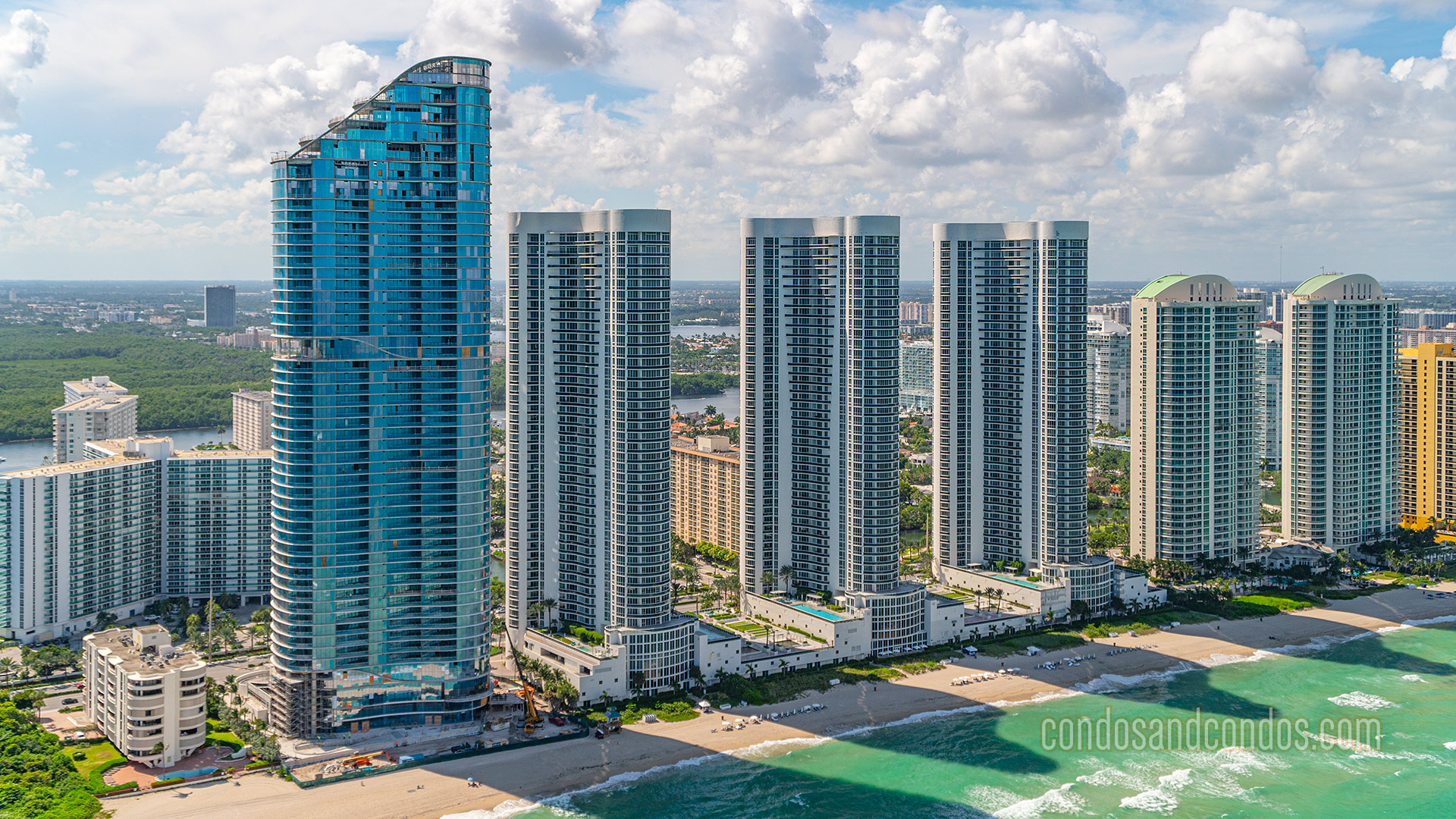
Sunny Isles Beach has a high concentration of luxury towers and high-rise buildings from the 1980s through the 2000s. Taller buildings with complex amenities can have higher maintenance and capital needs over time. Coastal conditions also increase wear on exteriors and mechanical systems.
After the 2021 Surfside collapse, structural inspections and reserve planning became a bigger focus across South Florida. Miami-Dade’s periodic structural recertification program requires engineering inspections and repairs where needed. Insurance carriers have also tightened terms and raised premiums on master policies. These trends can increase regular assessments or trigger special assessments and association loans.

How assessments are set and allocated
Your association’s declaration and bylaws control how costs are shared among units. Most buildings allocate assessments by each unit’s percentage interest in the common elements. Some use another formula defined in the documents.
Here is a simple example. If a building levies a 1,200,000 dollar special assessment and your unit’s ownership share is 0.5 percent, your portion is 1,200,000 times 0.005, which equals 6,000 dollars. Associations may offer installment plans for larger amounts, depending on board policy or a membership vote.
Boards usually set the annual budget and regular assessments. Special assessments and loans often require board approval, and some buildings require an owner vote if the amount or project exceeds certain thresholds. The exact voting rules are found in the declaration and bylaws, with Florida statutes providing baseline guidance.

Transparency, notice, and enforcement
Associations must give notice for meetings where assessments are discussed and provide access to budgets and financial statements. Reserve studies and engineering reports help owners understand upcoming expenses and the timing of work.
If an owner does not pay assessments, the amount can become a lien against the unit. Associations have legal remedies to collect, including interest, late fees, and attorney’s fees as allowed by the governing documents. Persistent nonpayment can lead to association foreclosure. Owners who believe a board failed to follow required procedures can seek remedies through dispute resolution or the courts.

Buyer due diligence checklist
Before you write an offer on a Sunny Isles condo, request and review these items:
- Estoppel or resale certificate that shows current and pending assessments, fees, and balances.
- The most recent annual budget and interim financials, including current reserve balances.
- The most recent reserve study with recommended funding levels and upcoming capital projects.
- Minutes from recent board meetings for the past 12 to 24 months to spot discussions of special assessments, projects, or disputes.
- Master insurance declarations, coverage limits, and recent premium history. Ask about any claims or coverage changes.
- Any engineering or structural recertification reports and the required scope of work. Review permits, bids, or contractor estimates if work is planned.
- Pending litigation that involves the association, including construction defects or insurance disputes.
- The declaration and bylaws to confirm how assessments are allocated, voting thresholds, and owner rights.
- The history of special assessments over the past 3 to 5 years and whether payment plans are in place.

Seller considerations and negotiation tips
If you plan to sell, you must disclose known assessments and pending repairs. In many transactions, sellers pay special assessments that are levied and due before closing, but parties can negotiate how to handle amounts that are not yet due.
Order the estoppel or resale certificate early to avoid delays. Associations may charge a fee and need several business days to prepare it. If a large special assessment is anticipated but not final, consider negotiating a credit, proration, or a contingency that addresses how the assessment will be handled at closing.

Financing large building projects
Associations have several ways to fund big projects. Each option has tradeoffs you should understand as an owner or buyer.
- Use of reserves. This is often preferred when reserves are adequately funded. It avoids new assessments or loans but requires steady contributions over time.
- Special assessments. These provide immediate capital and tie costs directly to owners. The impact can be significant and may affect unit marketability in the short term.
- Association loans. Bank financing or lines of credit spread costs over time and reduce the immediate cash burden on owners. Loan payments increase monthly assessments, and some bylaws require an owner vote to borrow.
- Phased projects. Boards may prioritize urgent structural work first and schedule less critical items later to manage cost and disruption.

Planning your cash flow
Confirm how your building allocates assessments. A percentage-interest formula or a square-footage-based method will affect your exposure to large projects. Ask about any available payment plans or whether the association plans to finance a special assessment.
If you are financing your purchase, talk to your lender about condo project underwriting. Some lenders require reserve funding levels or evaluate ongoing assessments when approving loans. Make sure your personal budget includes the master insurance cost pass-through and any recent increases.

Insurance and coastal risk
Sunny Isles is a coastal market with exposure to wind and flood events. Rising costs and changes to coverage availability can increase association expenses and owner assessments. Review the master policy details and ask how recent renewals changed premiums, deductibles, and coverage limits.

Red flags and green lights
When you review documents, use this quick list to spot risks and strengths:
- Red flags: low reserve balances relative to upcoming projects, recent engineering reports that require major repairs, pending or likely special assessments, significant insurance premium spikes, and active litigation.
- Green lights: current reserve study, clear project plans with timelines and funding sources, healthy reserves, and transparent communication from the board.

Action steps for buyers and sellers
- Define the type of assessment and confirm how your share is calculated.
- Request all financials, reserve studies, engineering reports, and board minutes before you commit.
- Ask the board about project timelines, payment plan options, and any planned borrowing.
- If you are selling, obtain the estoppel early and prepare to discuss pending projects with buyers.
- If disputes arise or amounts are substantial, consult a Florida real estate attorney for guidance.
A clear picture of assessments gives you control over timing, financing, and negotiations. Whether you are buying your next beachfront retreat or preparing to sell a high-rise residence, the right due diligence can save you money and stress. If you want a local partner that blends luxury guidance with investor-grade analysis, connect with The Kotelsky Group for a plan tailored to your building and goals.

FAQs
What is a condo assessment in Sunny Isles?
- It is a charge from the condo association to unit owners to fund operating costs or capital projects, either as regular assessments or special assessments.
How are special assessments calculated for my unit?
- Your share is typically based on the allocation in the declaration, often a percentage interest in common elements that is applied to the project’s total cost.
Why are assessments rising in Miami-Dade condos?
- Higher insurance costs, more frequent structural inspections, and required repairs from recertification programs have increased expenses for many associations.
What documents should I review before buying a condo?
- Ask for the estoppel certificate, recent budgets, reserve balances, reserve study, board minutes, insurance details, engineering reports, litigation status, and governing documents.
Can a board force payment of a special assessment?
- Yes, if the assessment was approved according to the governing documents and law; unpaid amounts can become a lien and lead to collection or foreclosure.
Can I challenge a special assessment in Florida?
- You can contest it if procedures were not followed or funds were misused, often through dispute resolution or court with counsel familiar with Florida condo law.
How do association loans affect my monthly costs?
- Loan payments are built into the budget, which raises ongoing assessments, even though they reduce the upfront cash required from owners.